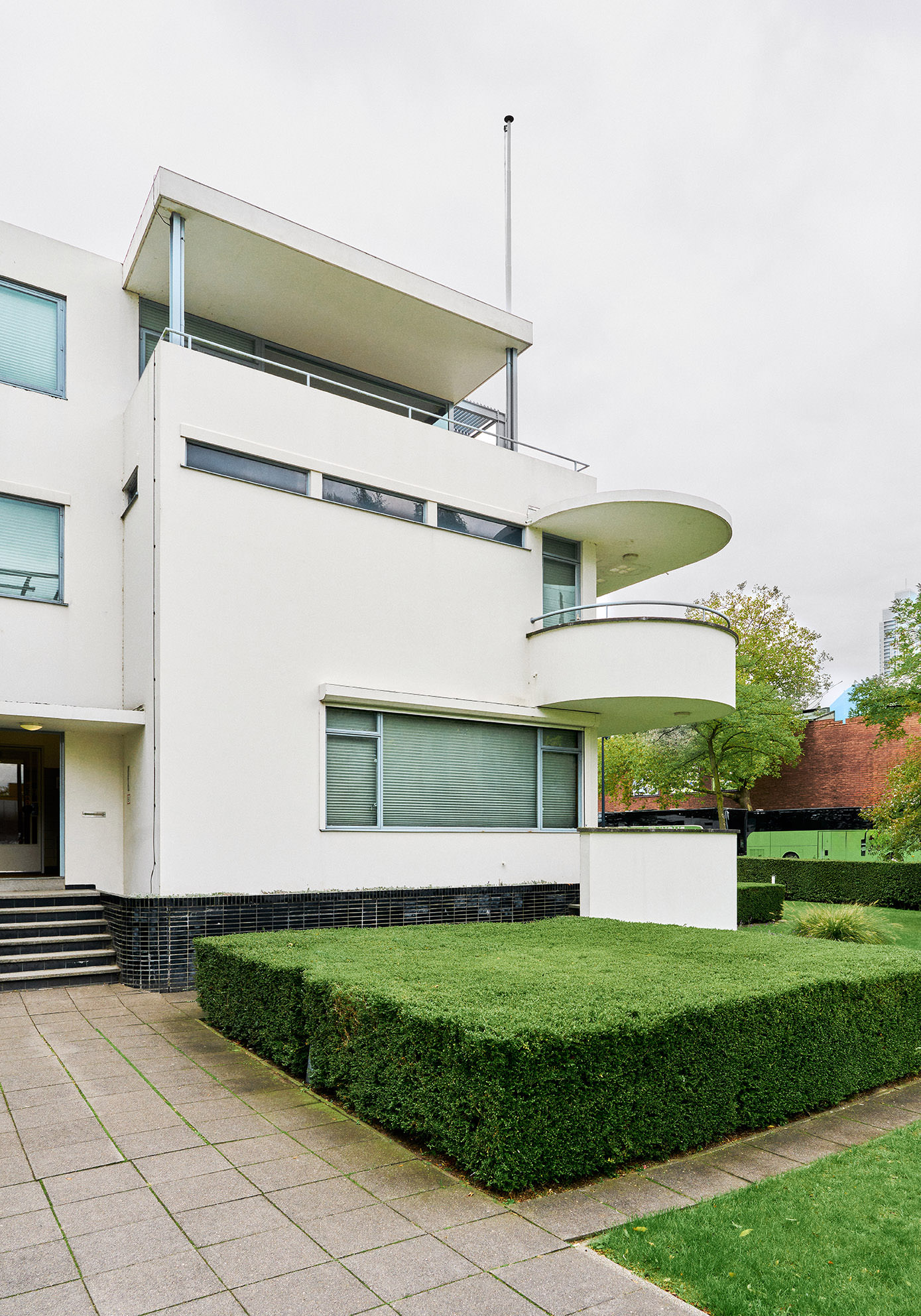
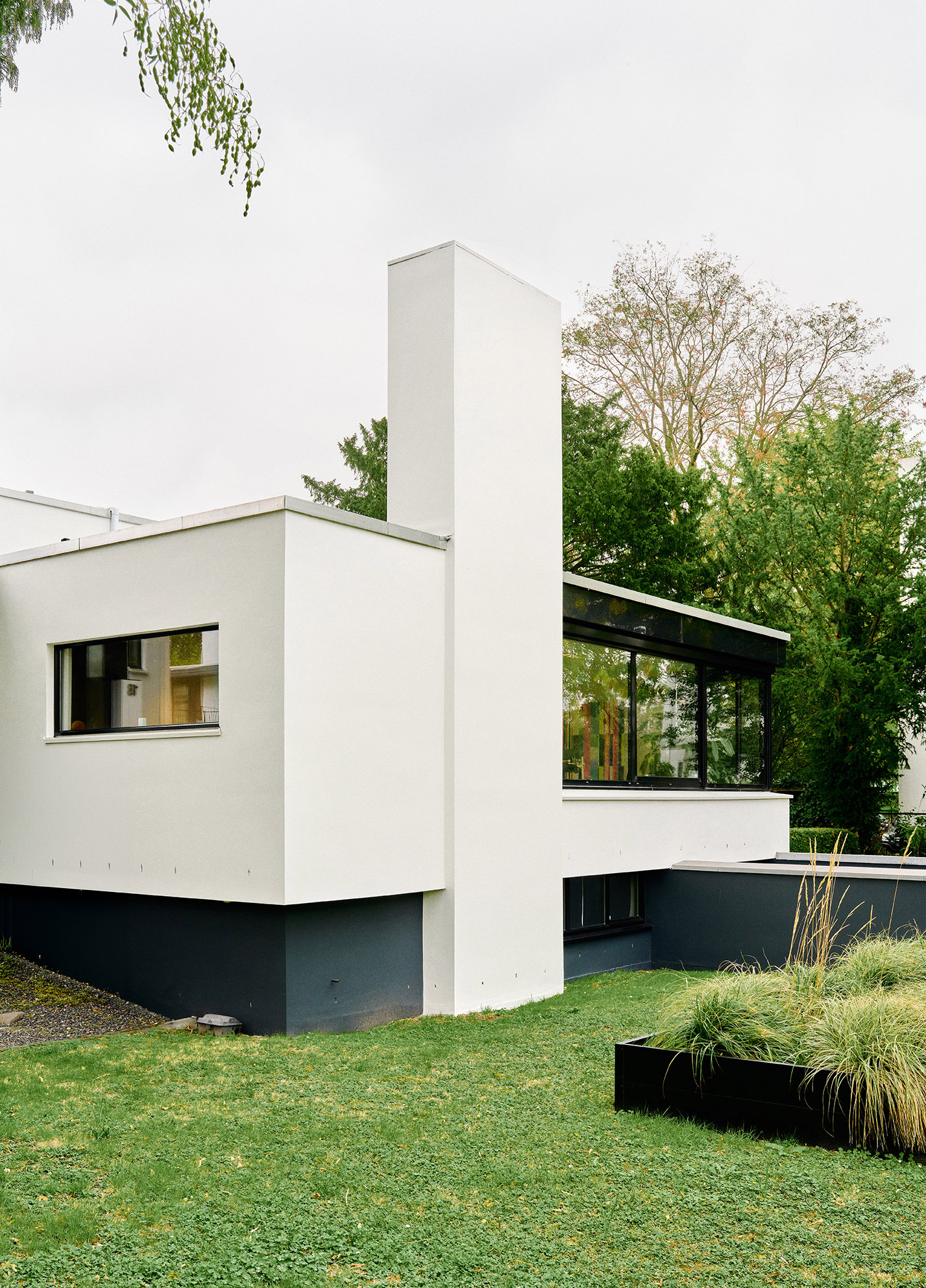
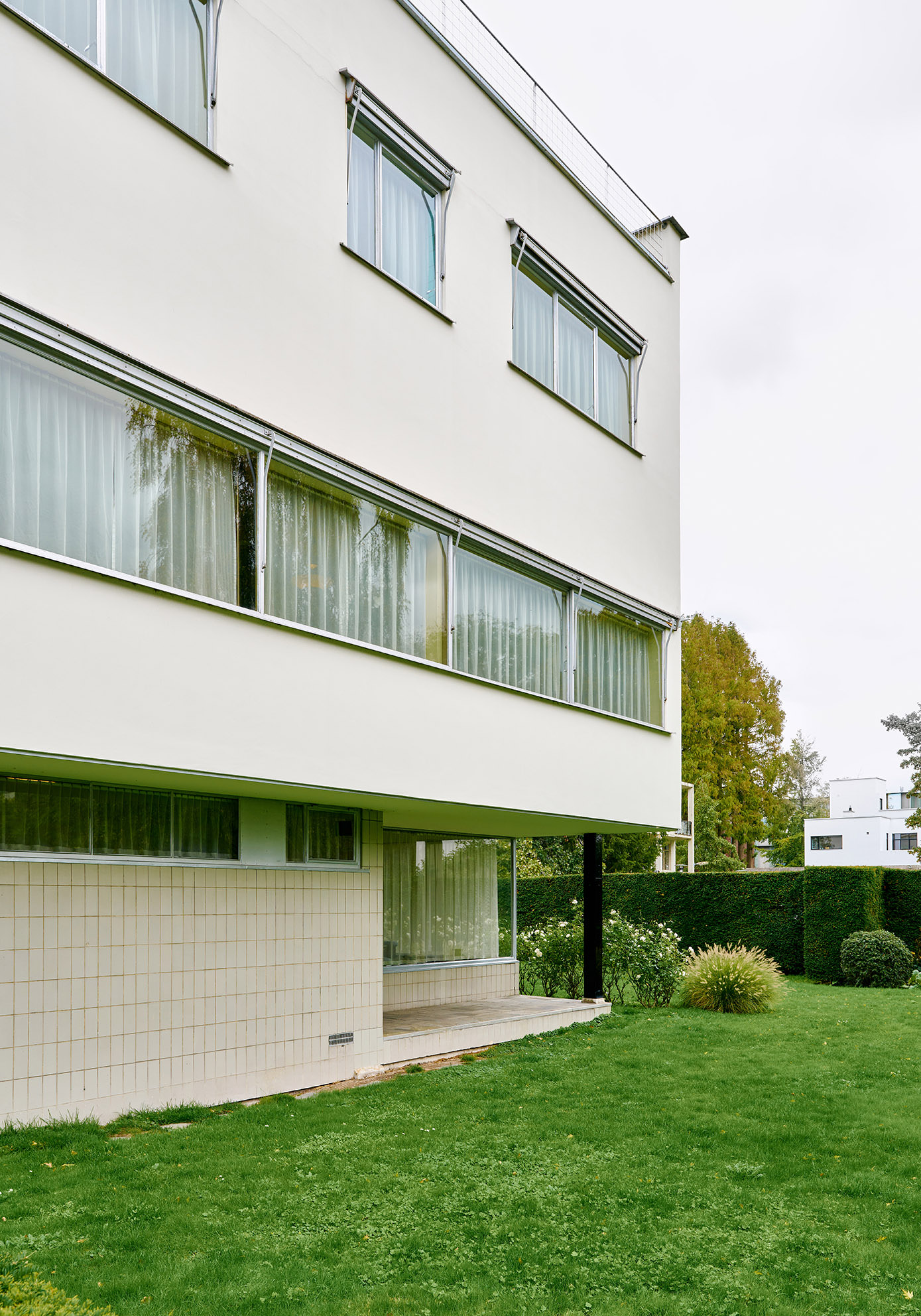
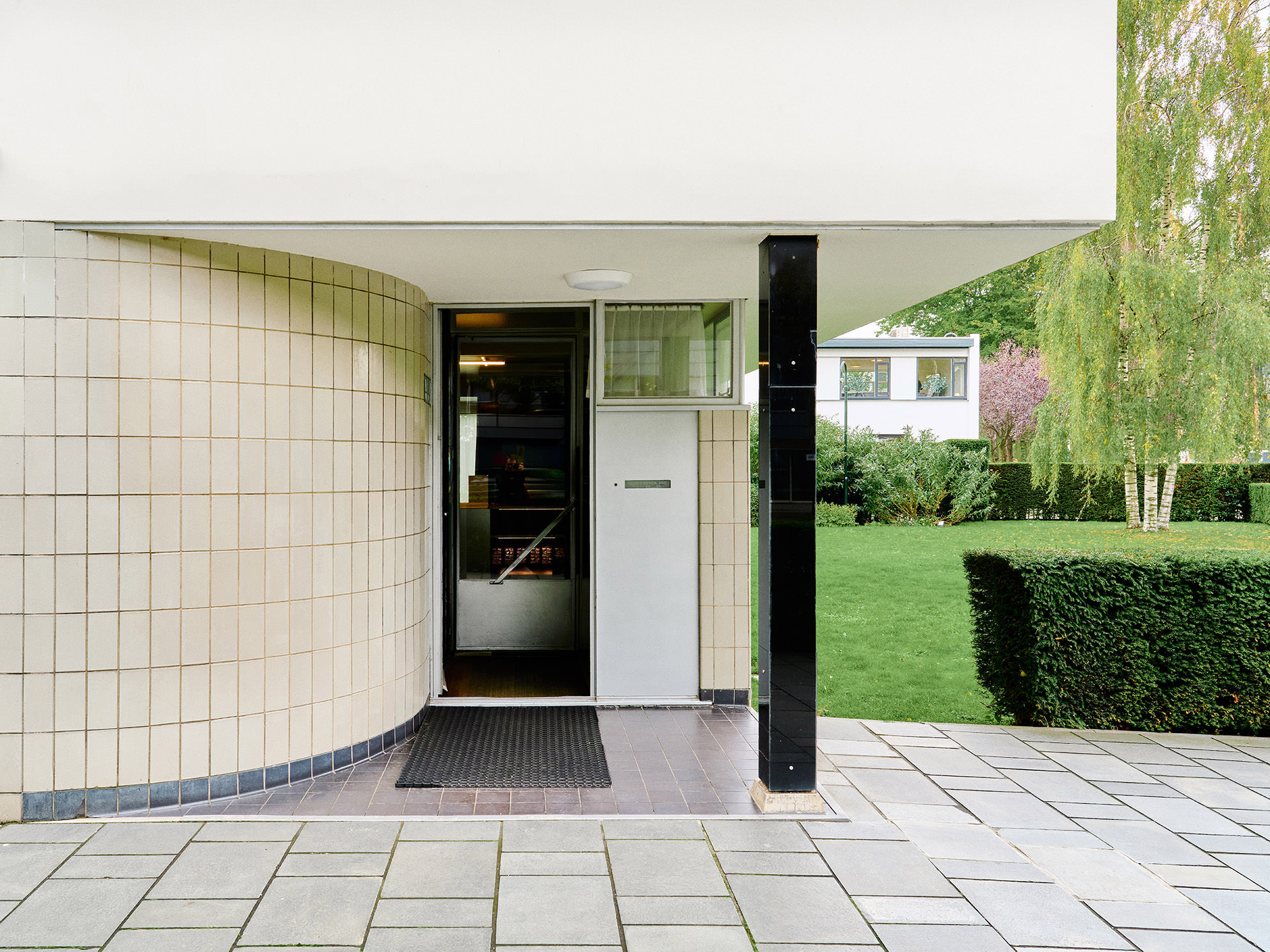
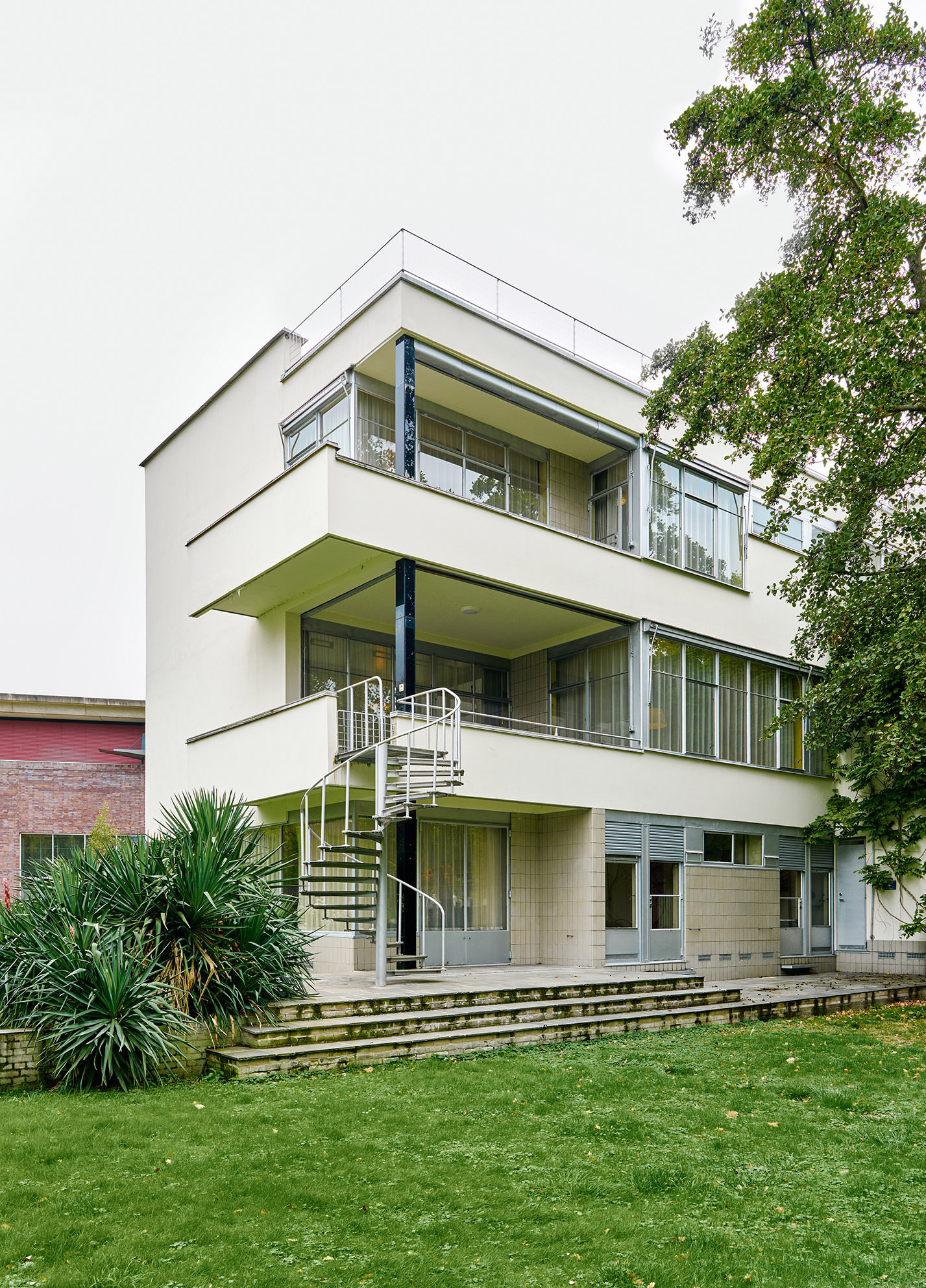
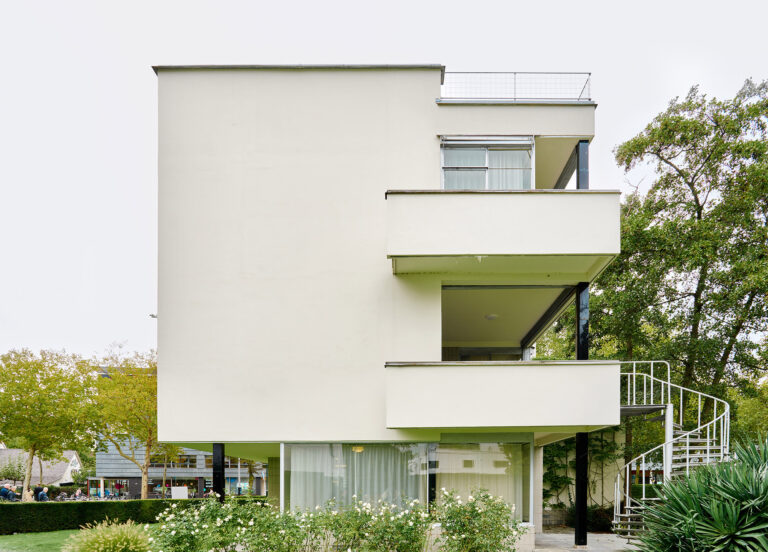
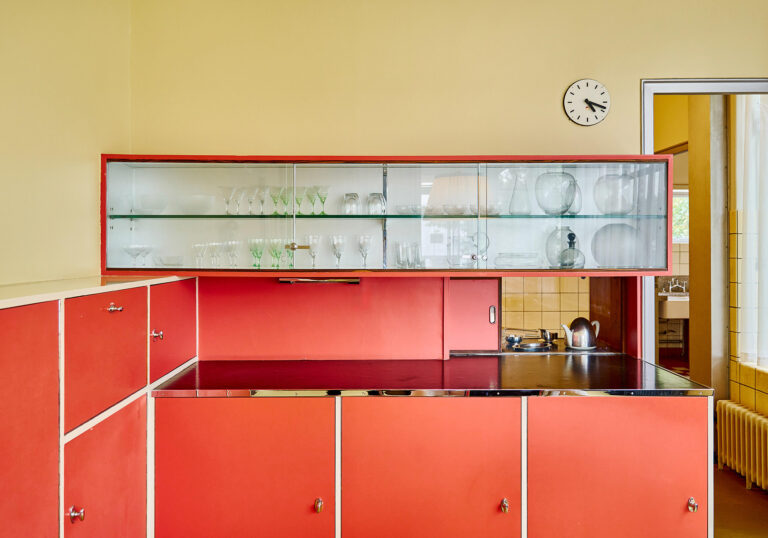
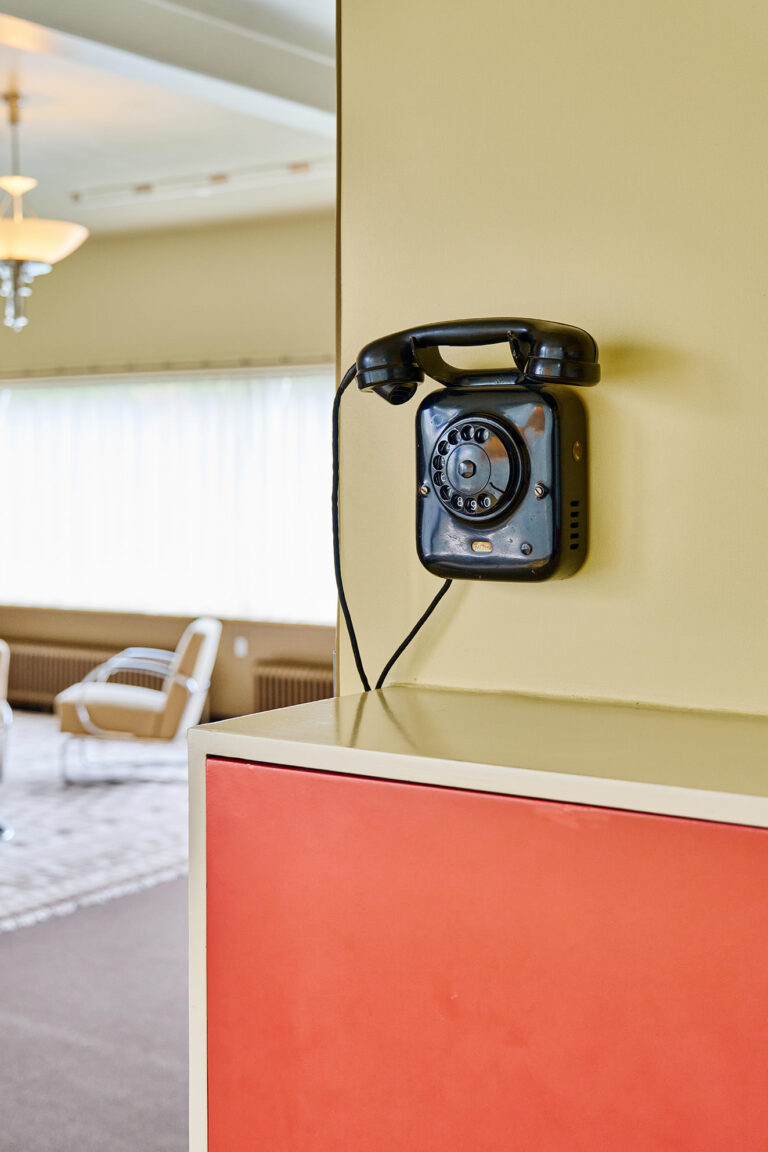
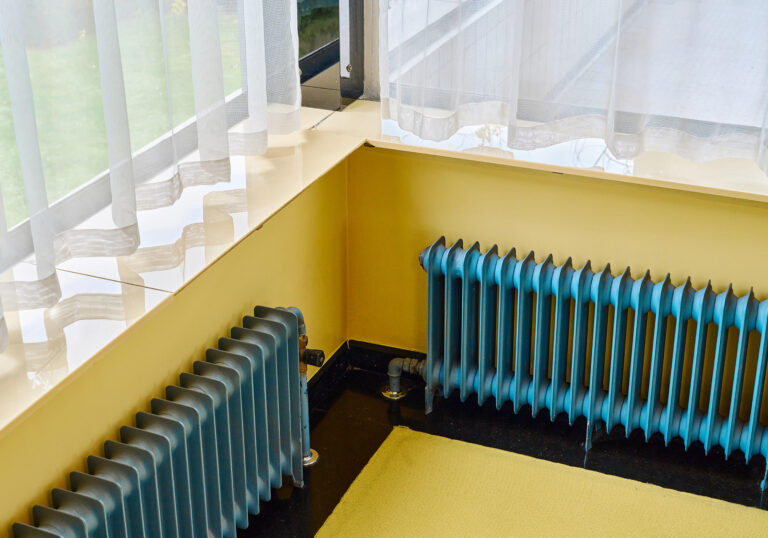
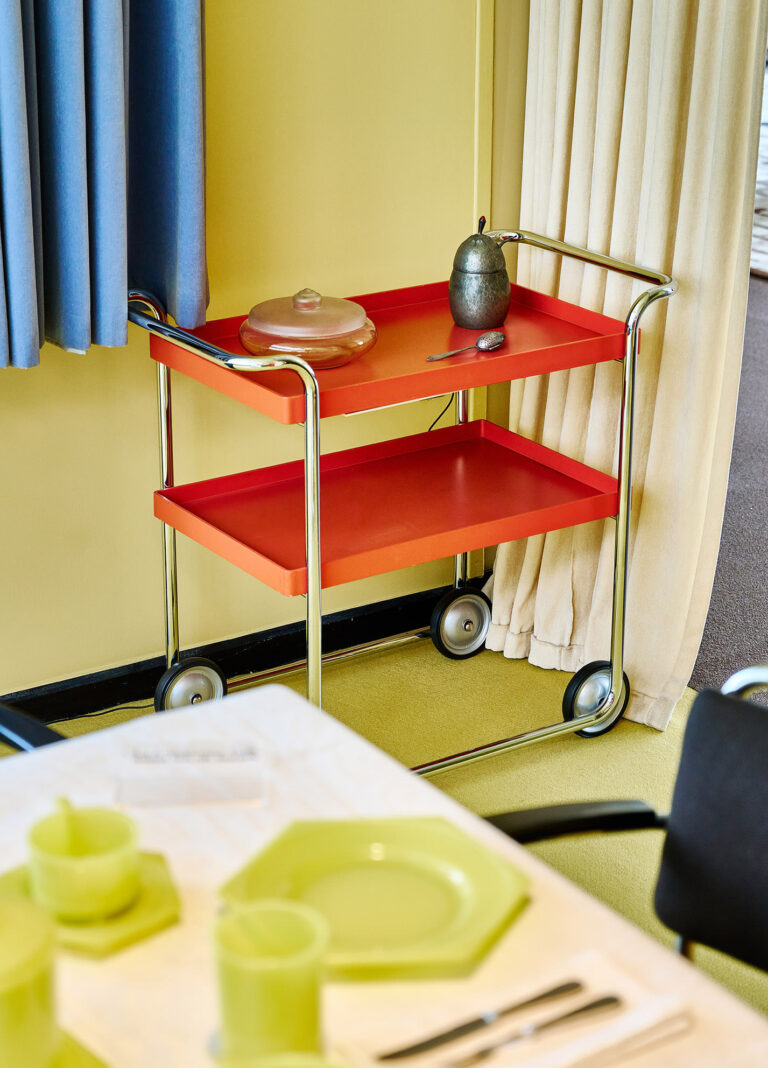
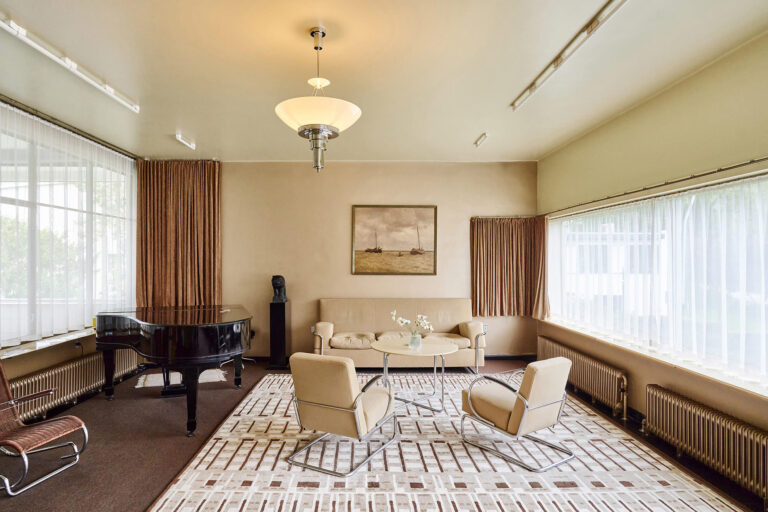
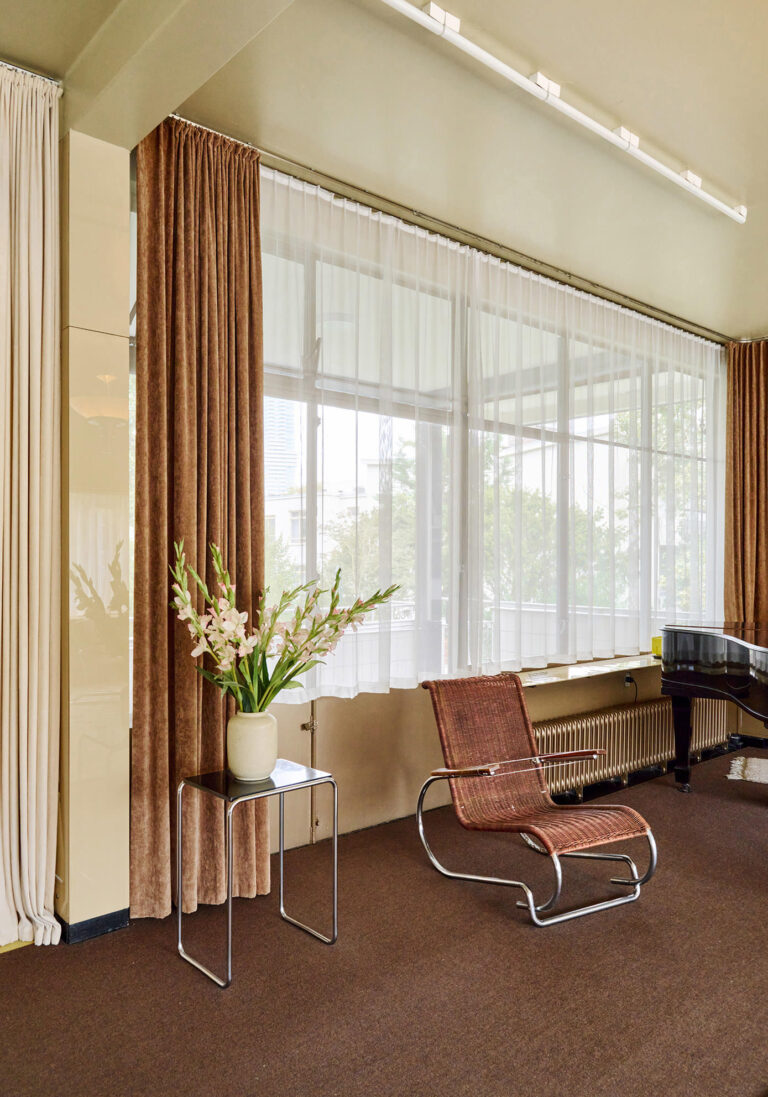
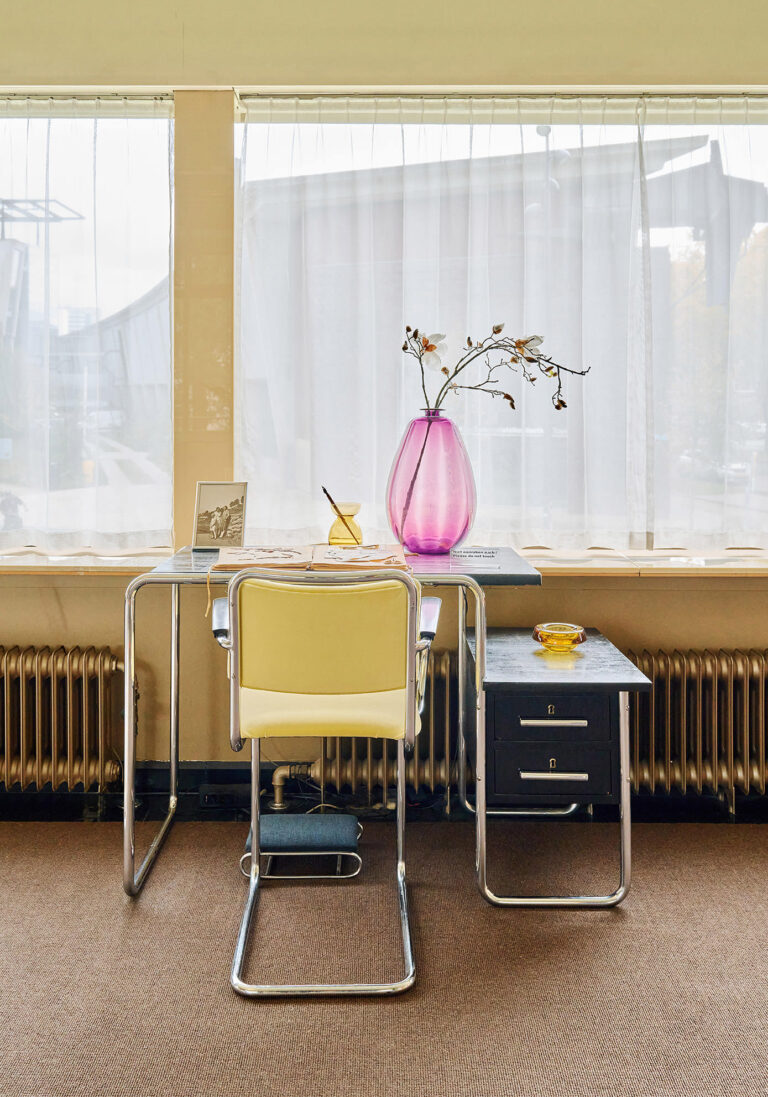
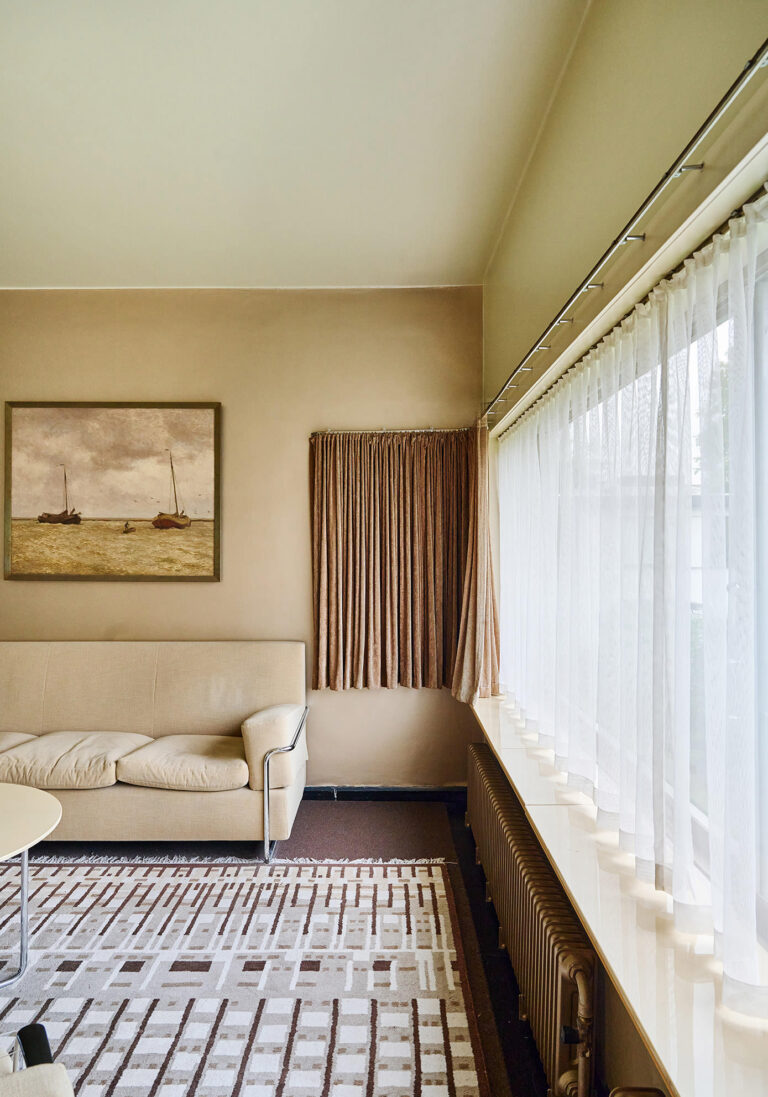
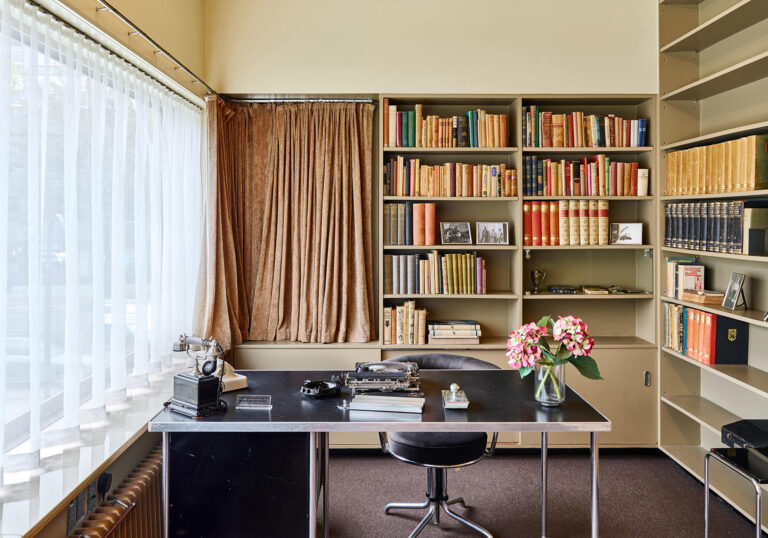
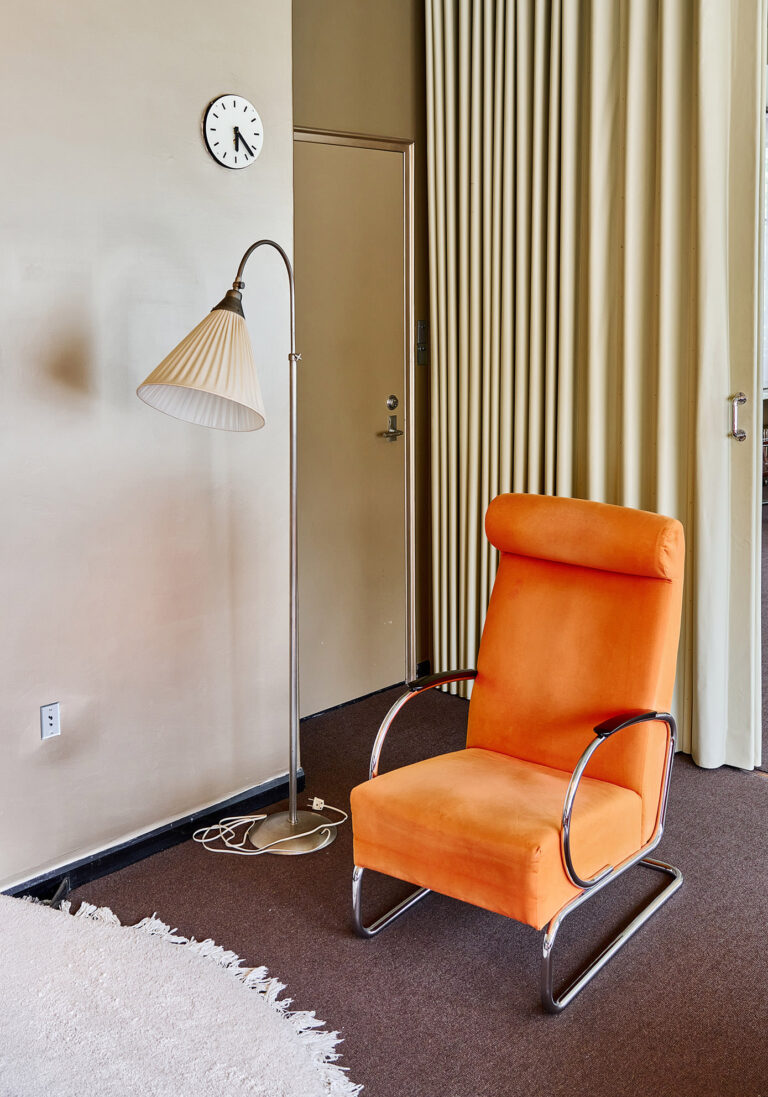
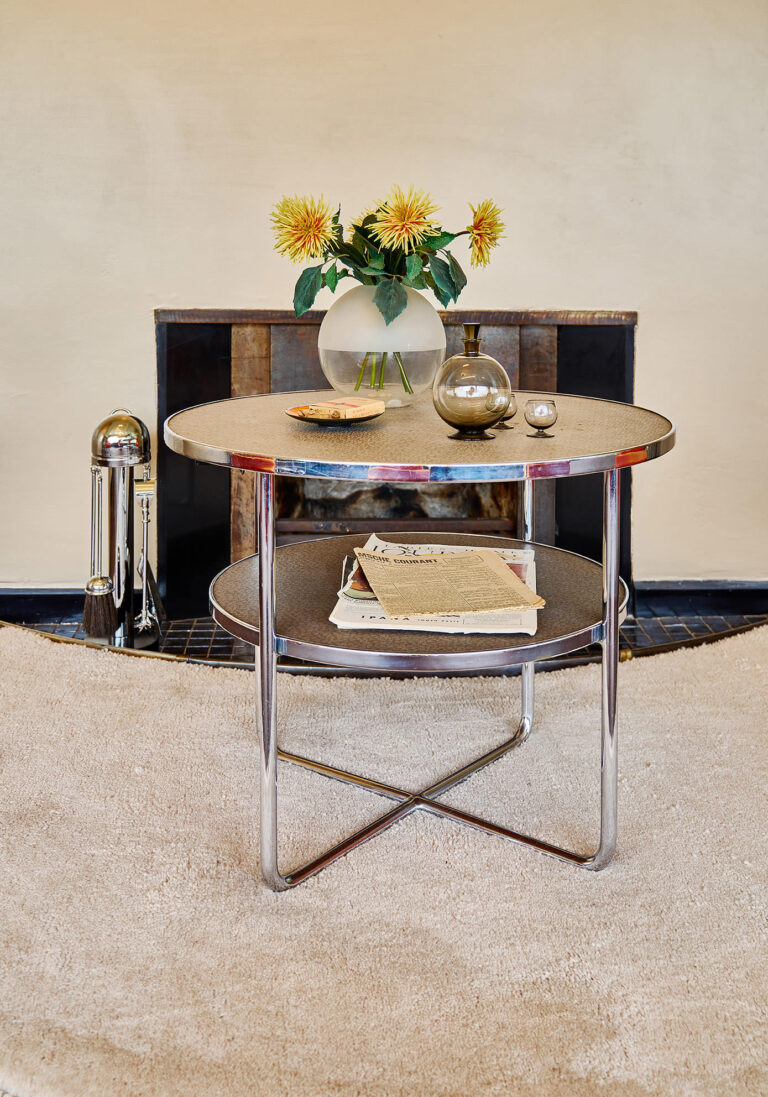
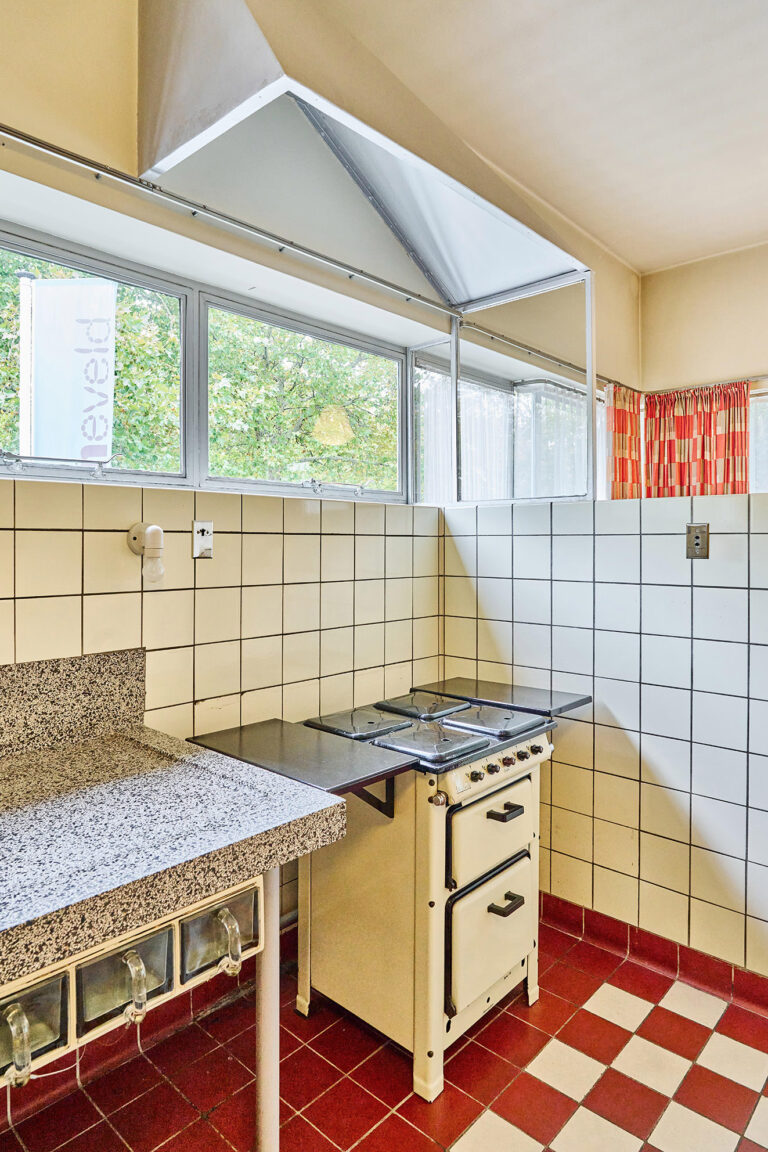
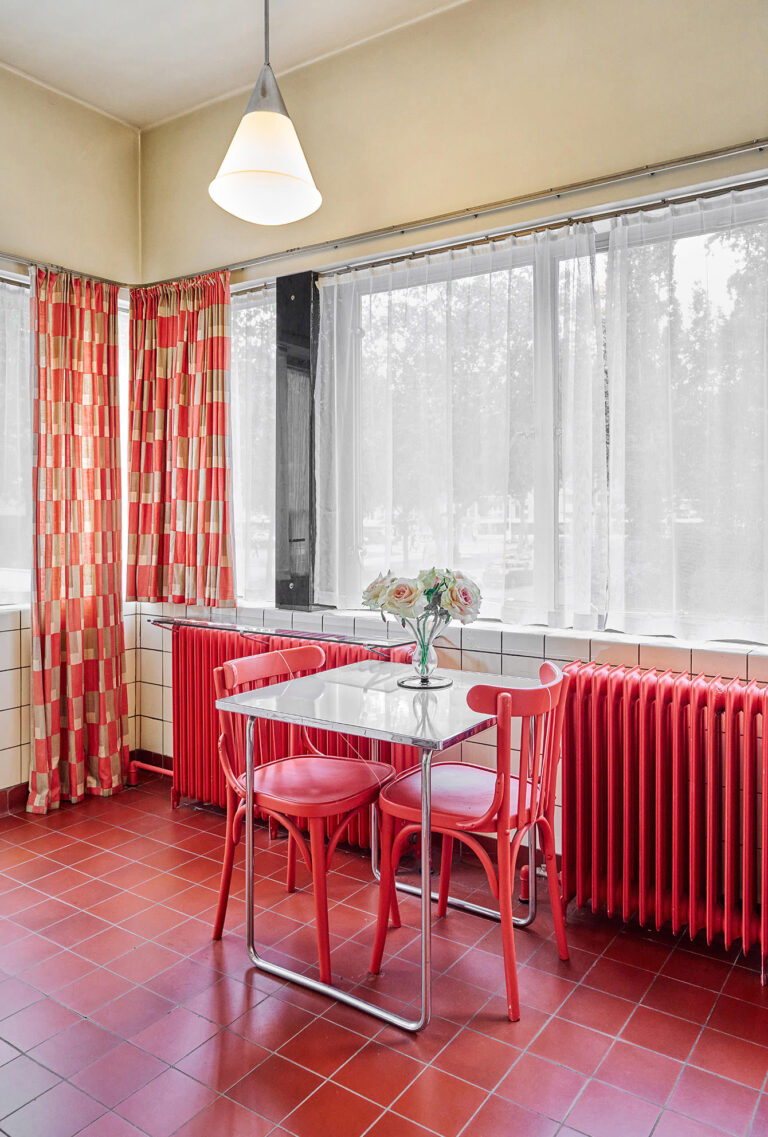
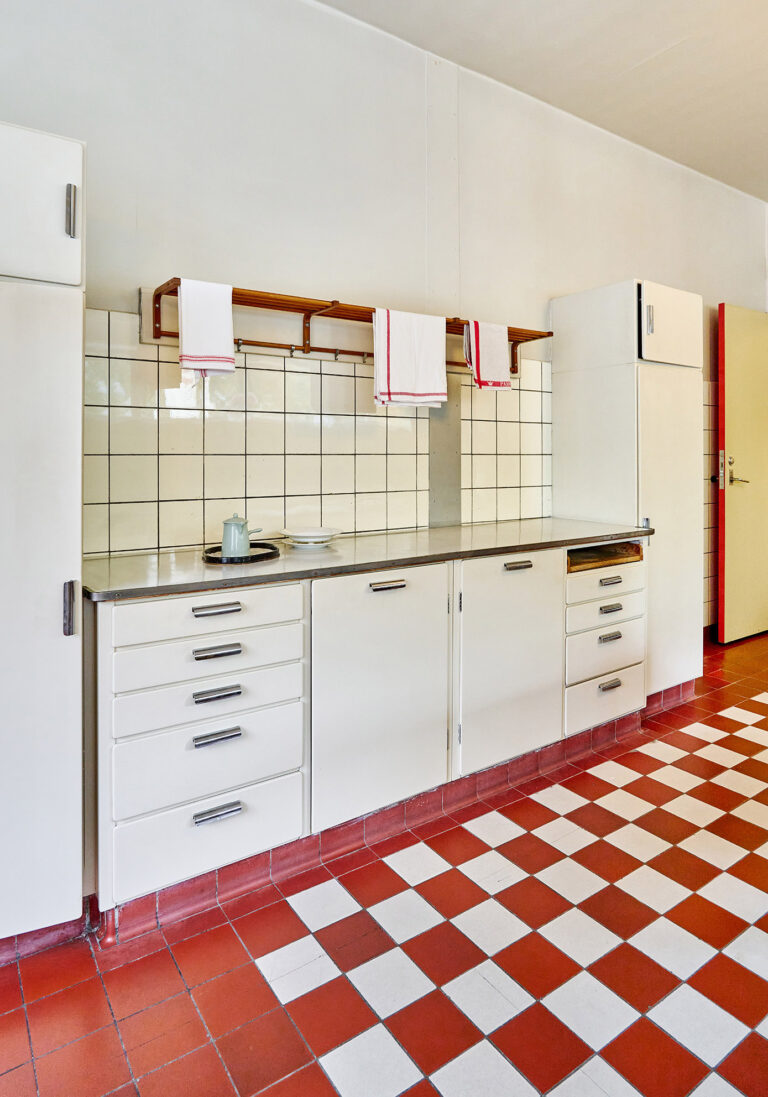
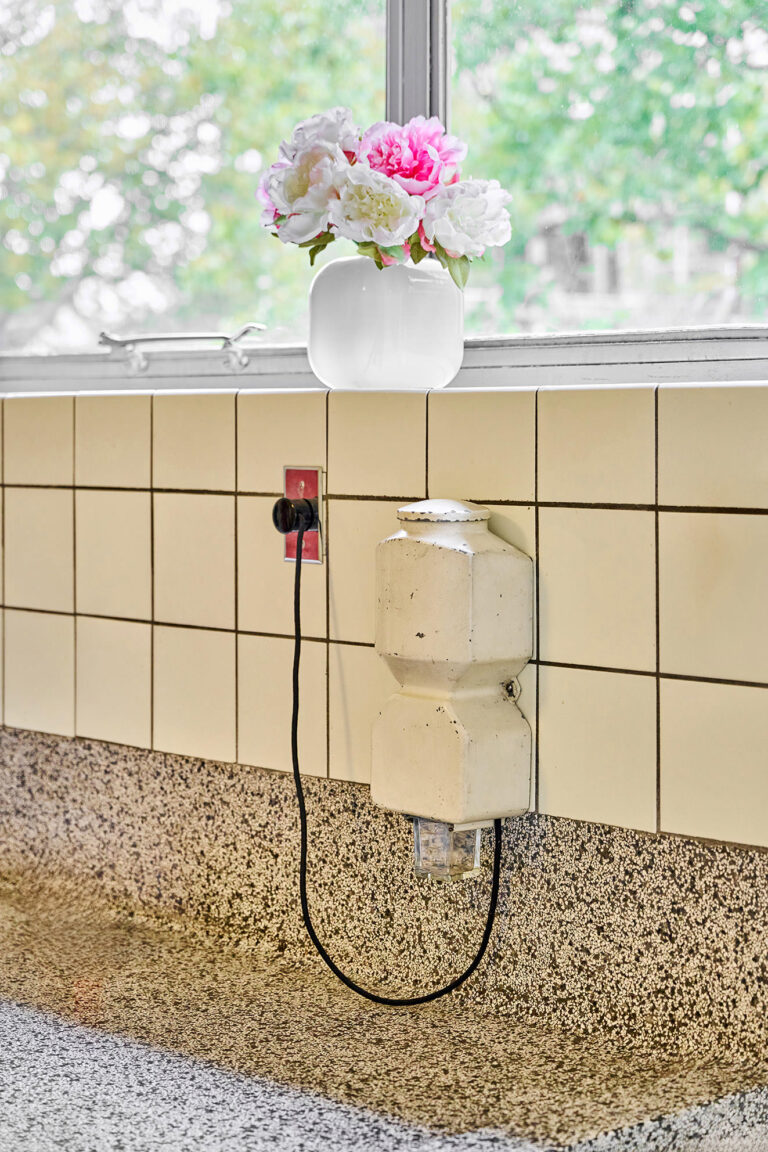
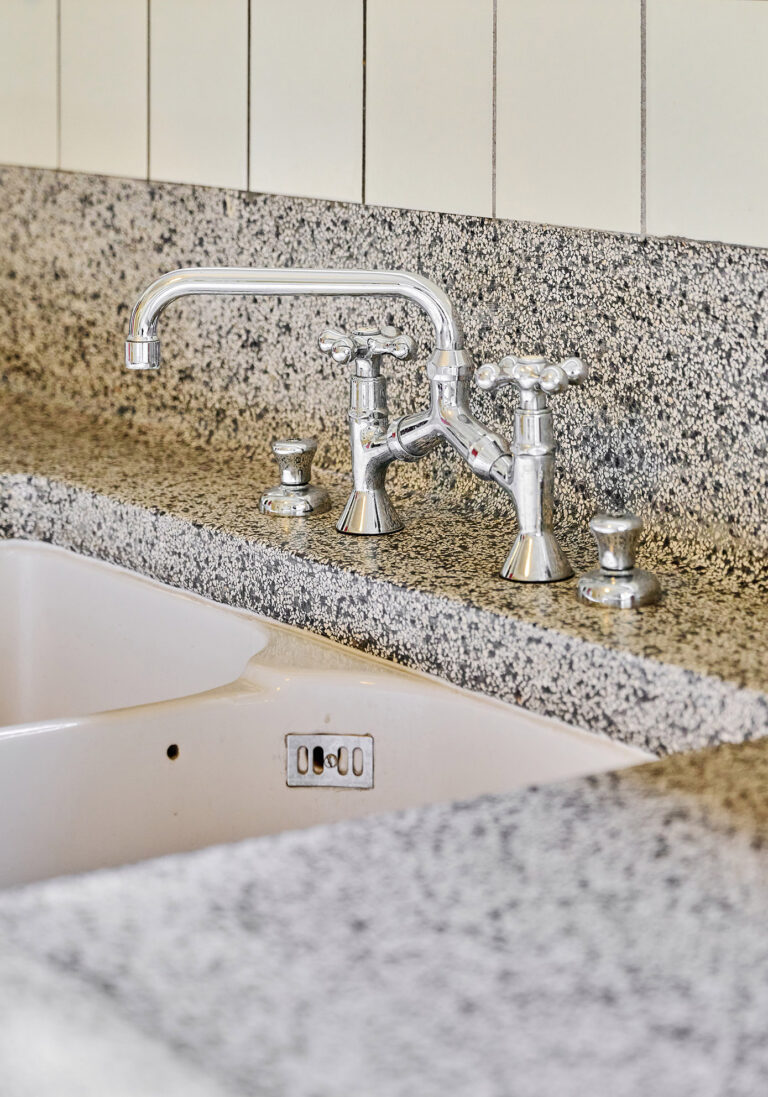
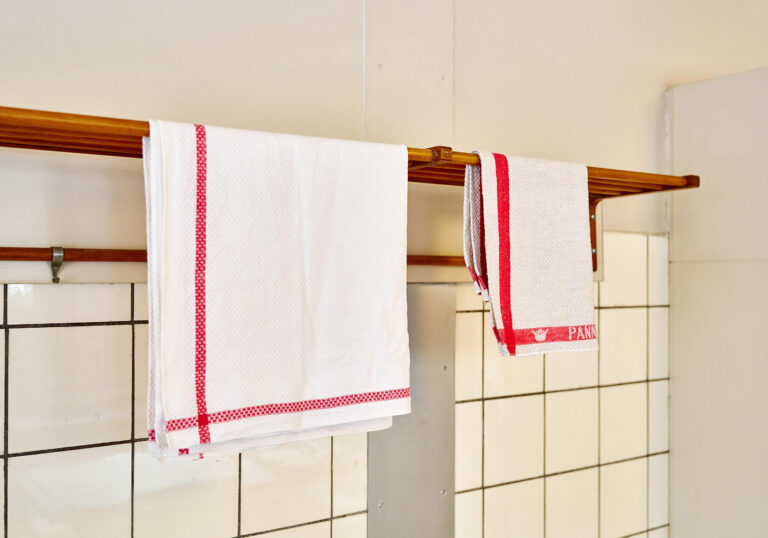
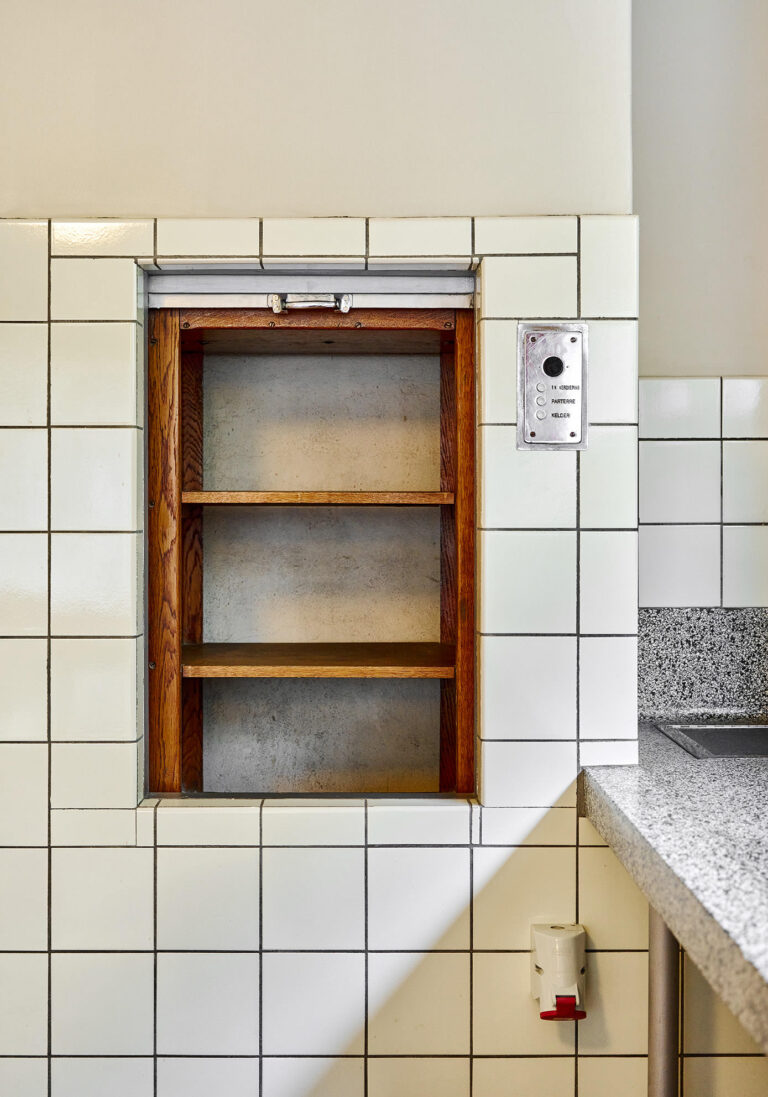
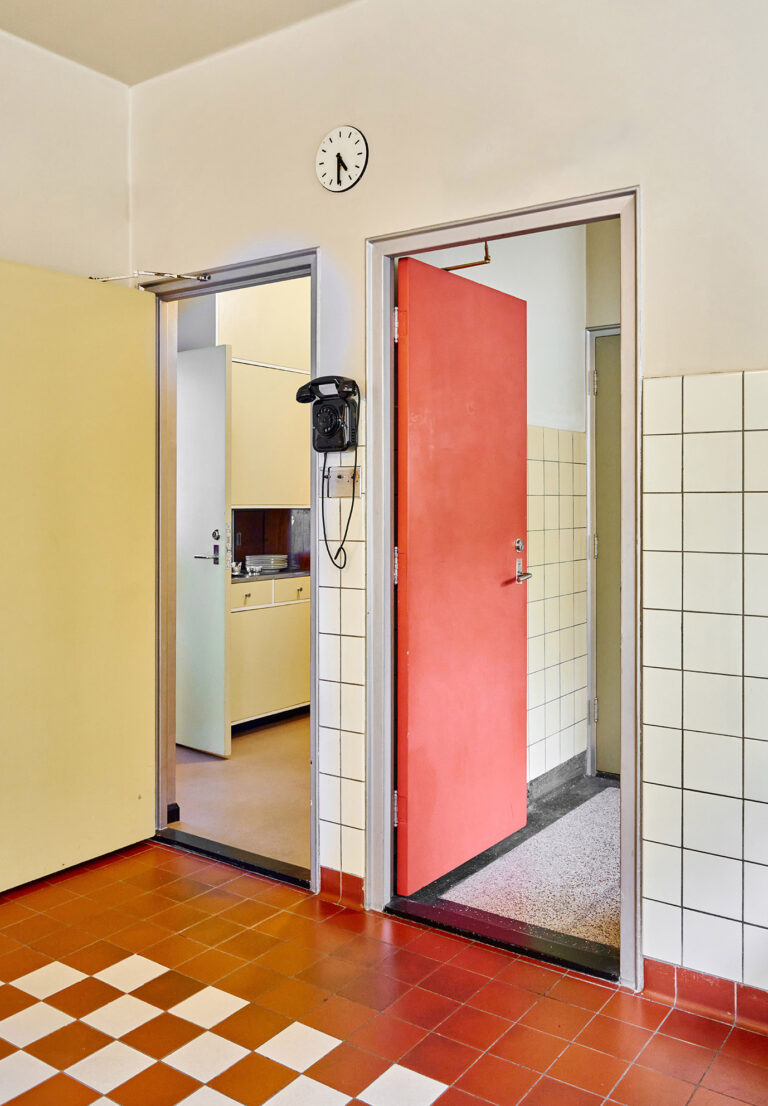
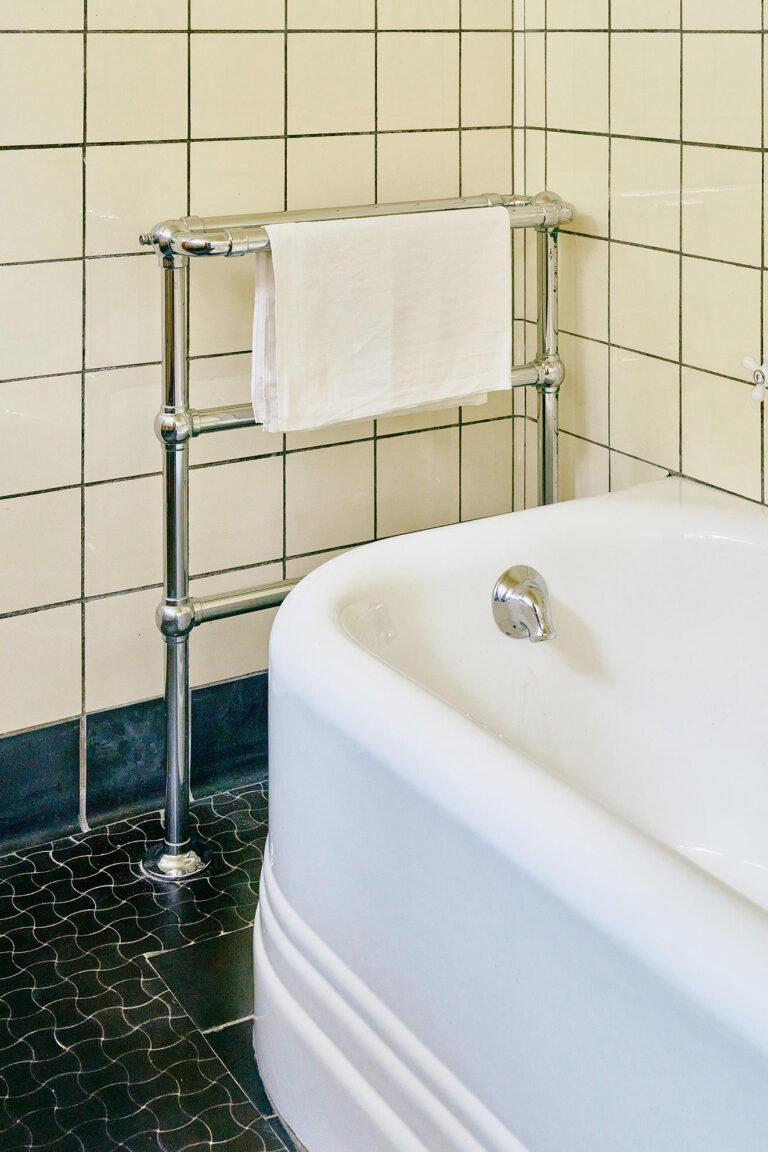
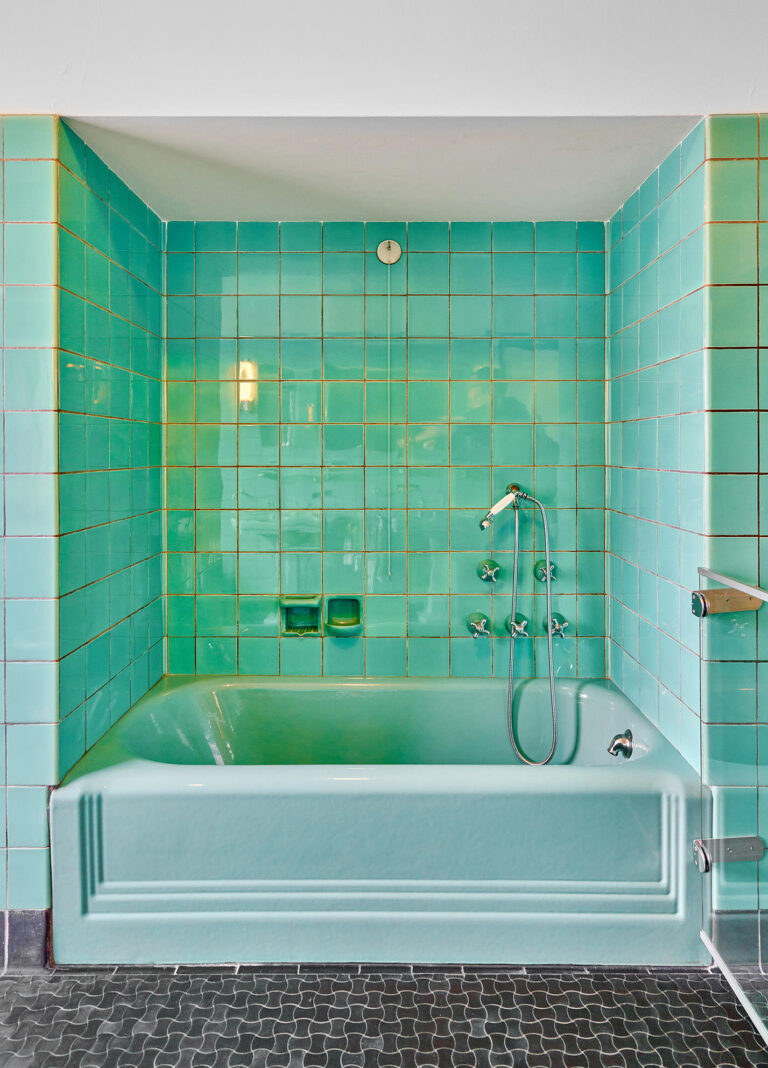
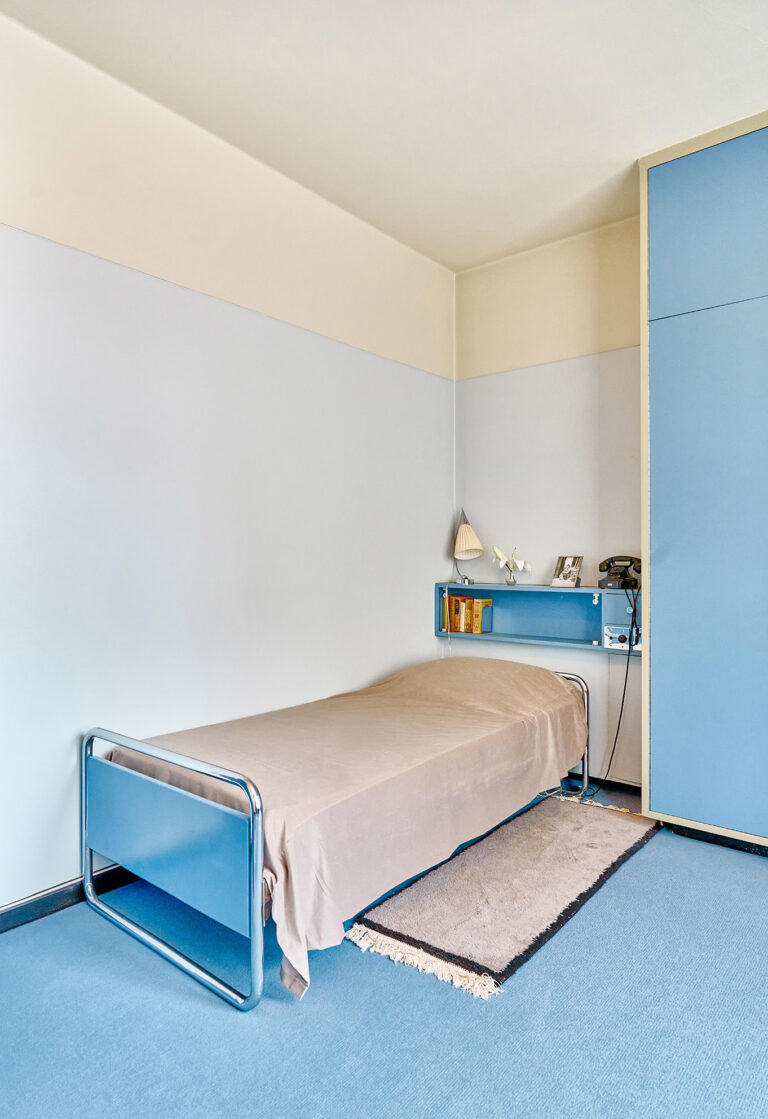
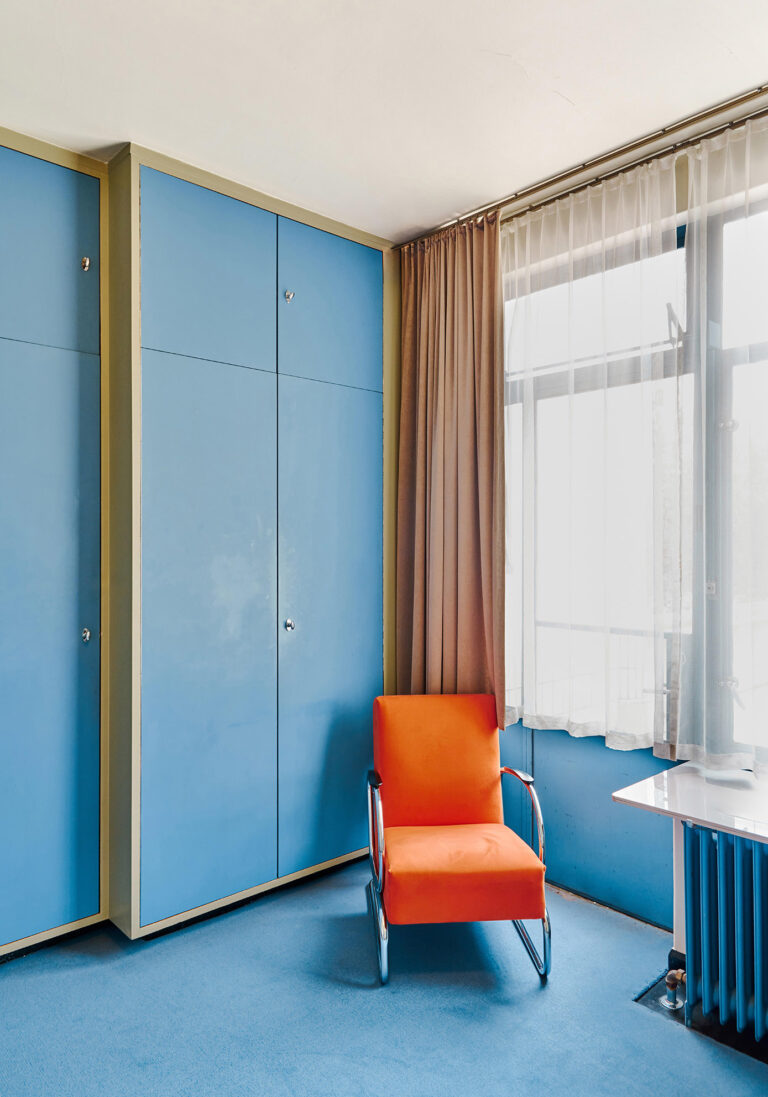
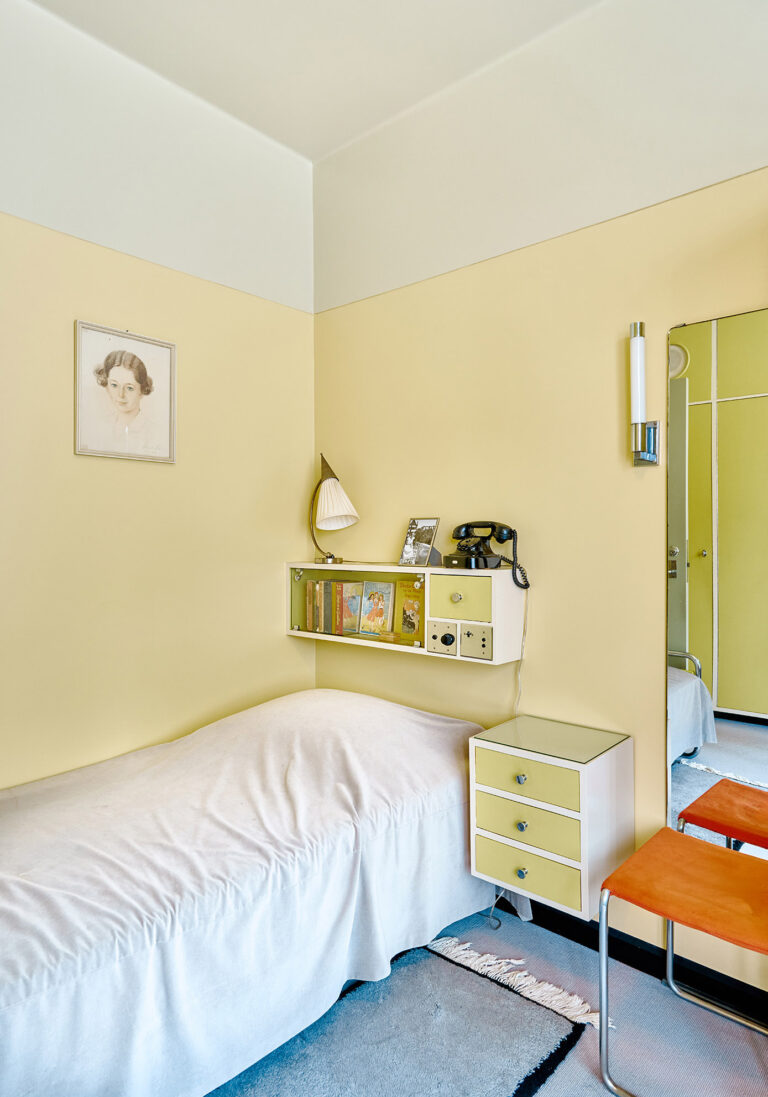
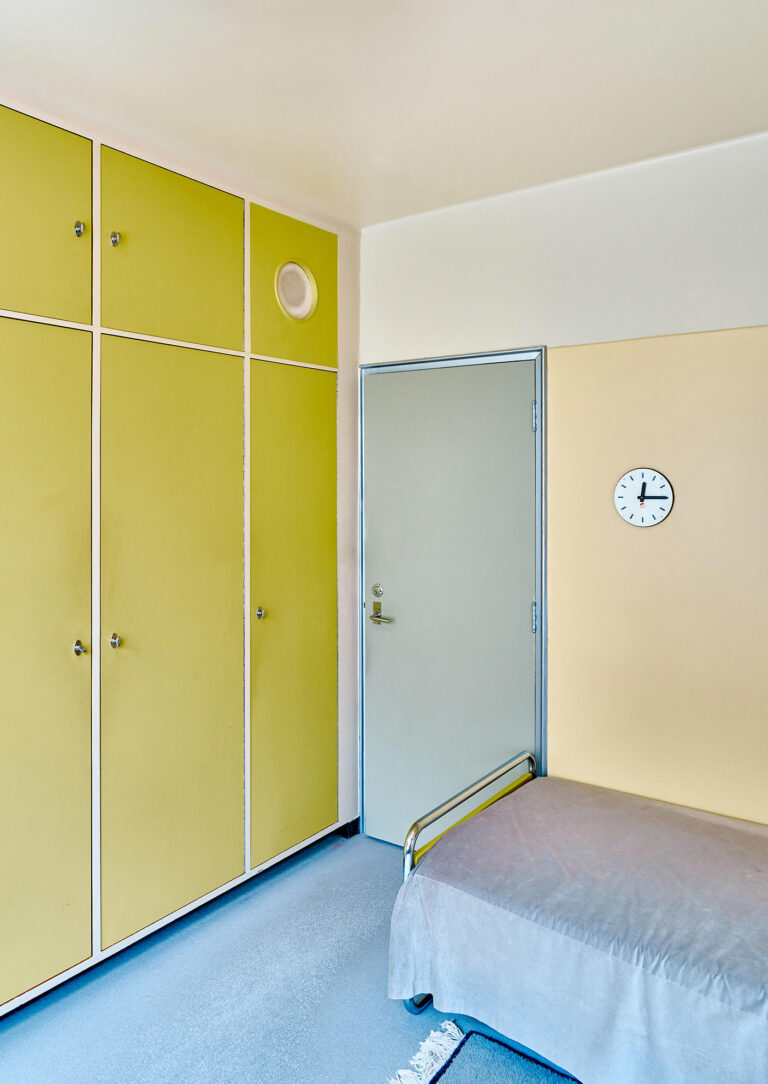
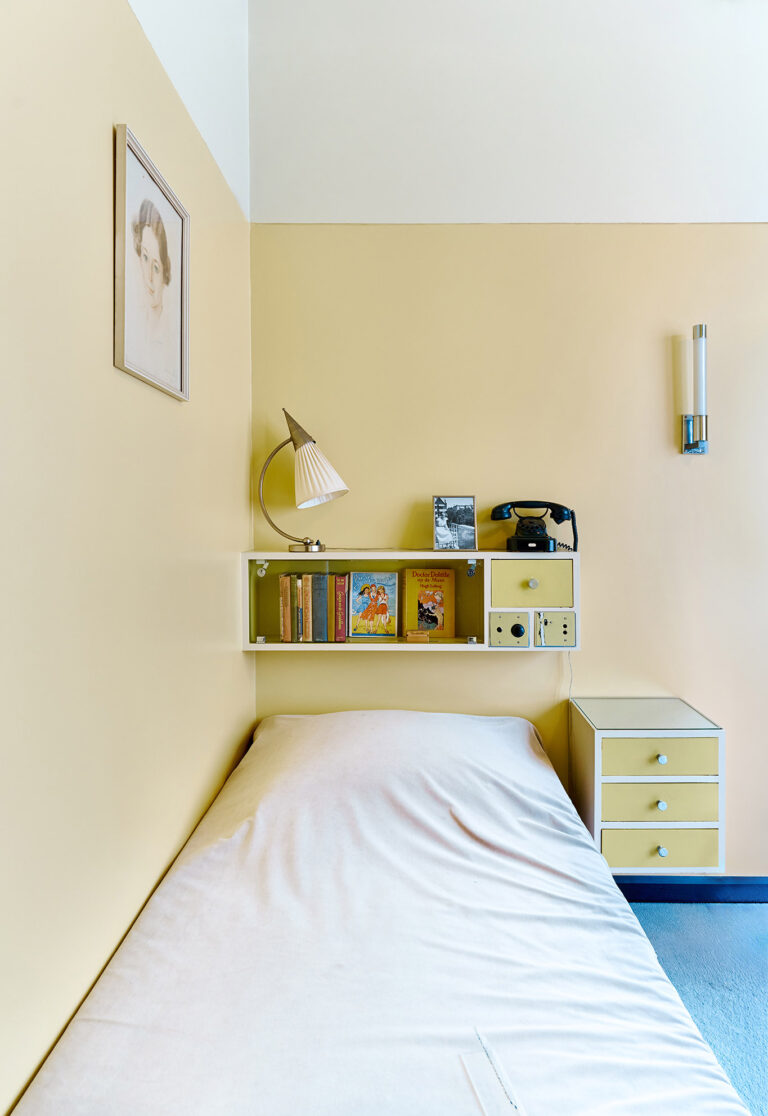
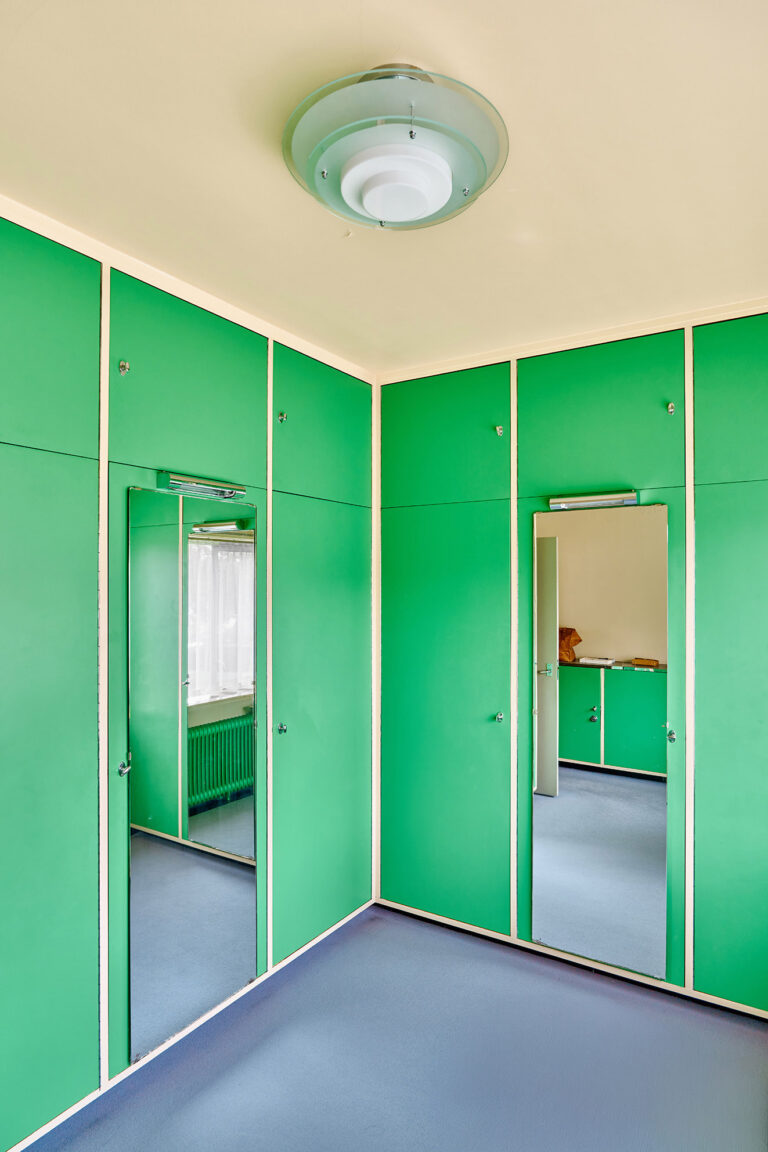
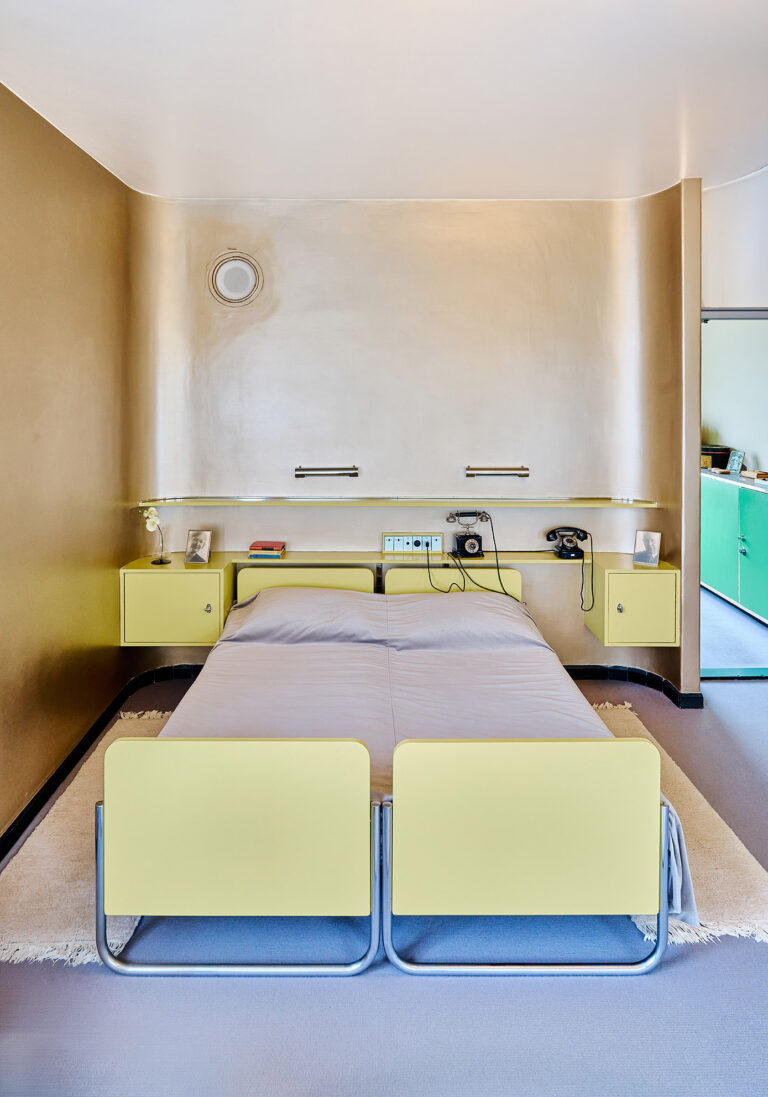
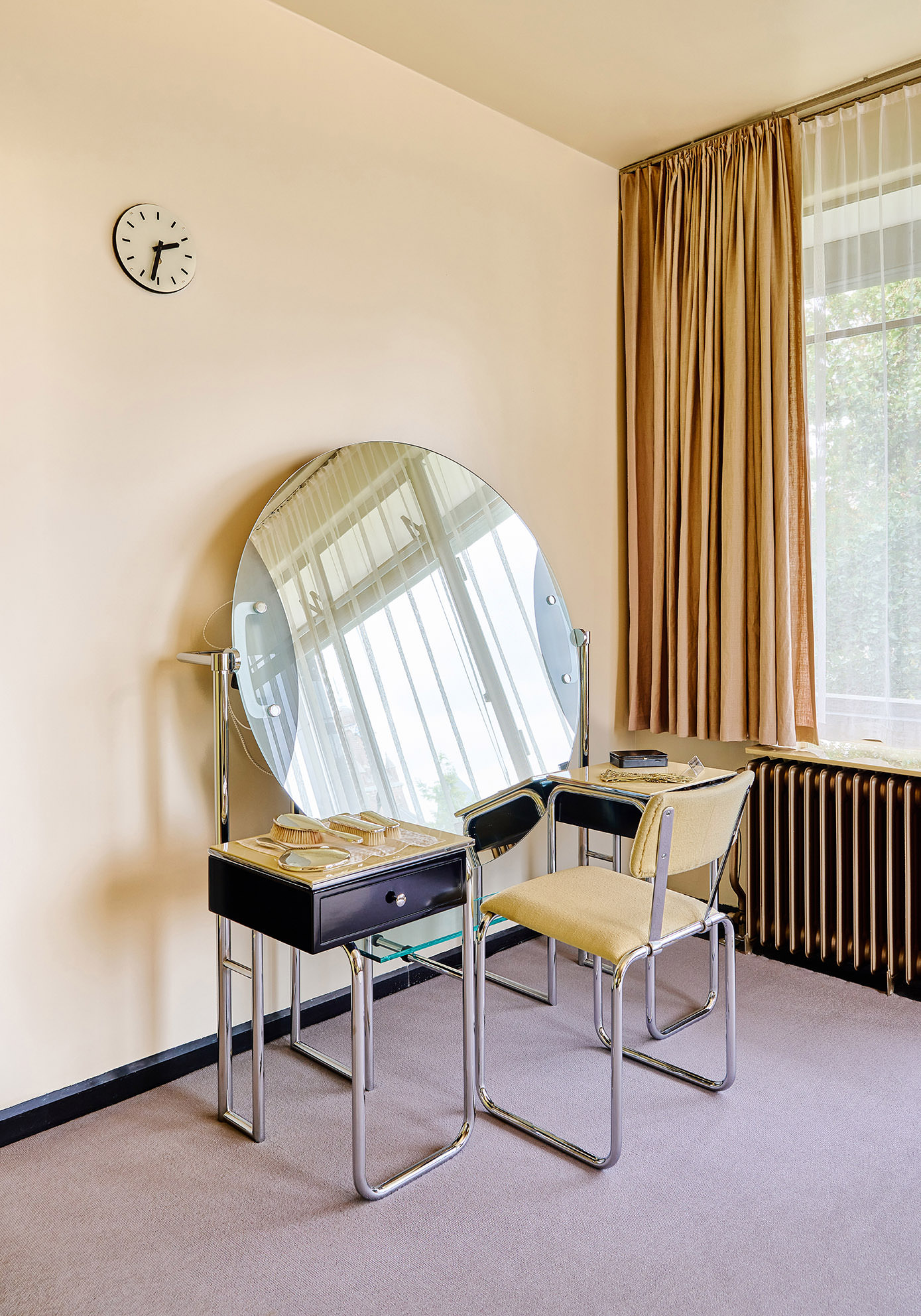
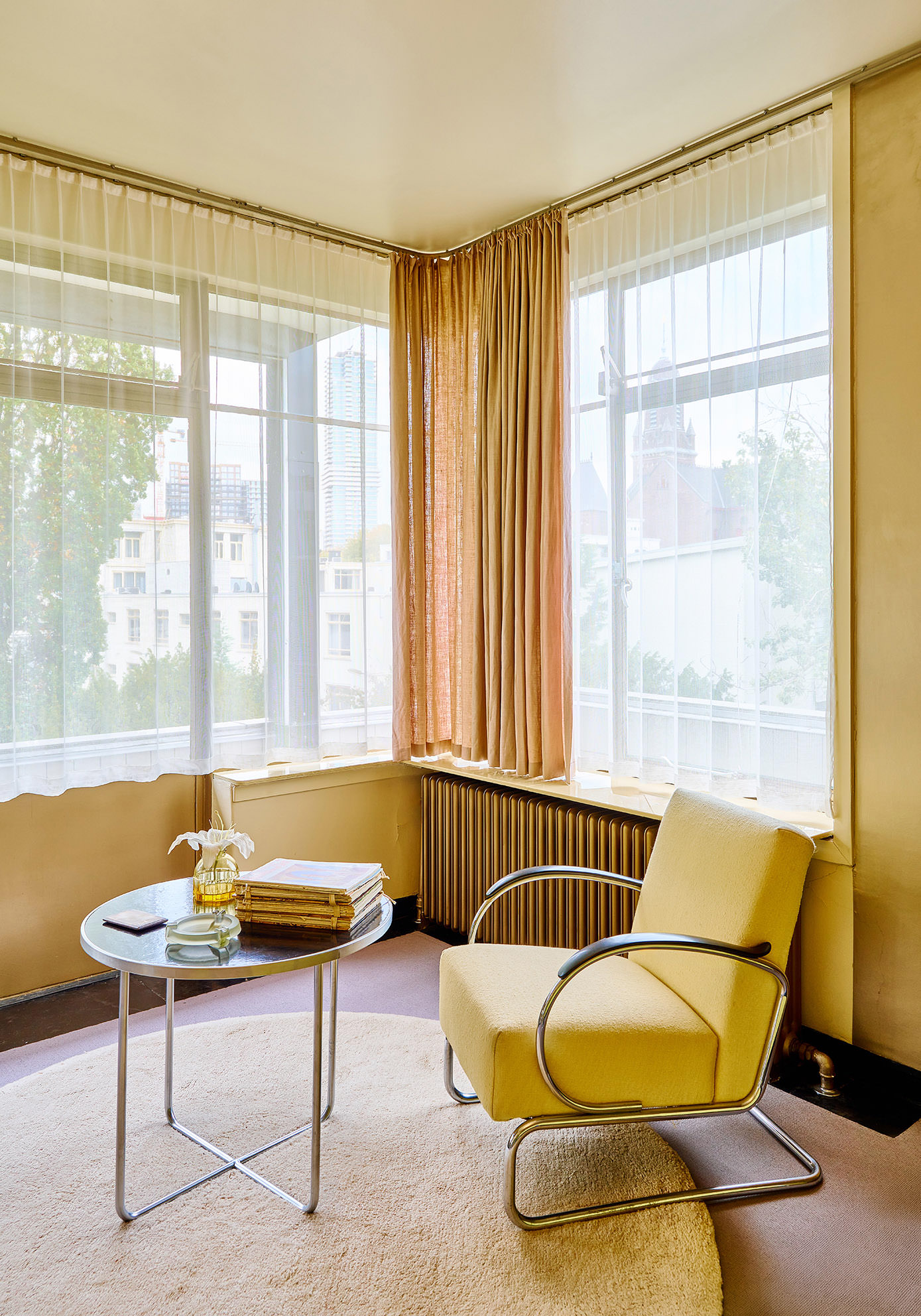
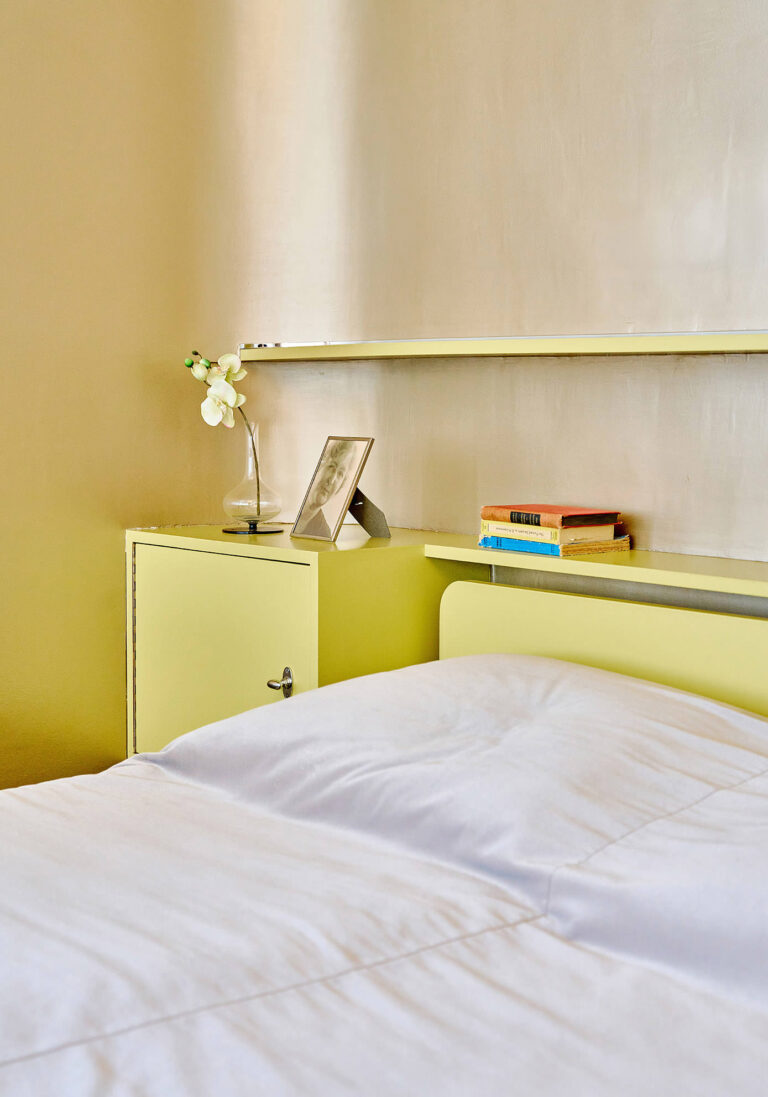
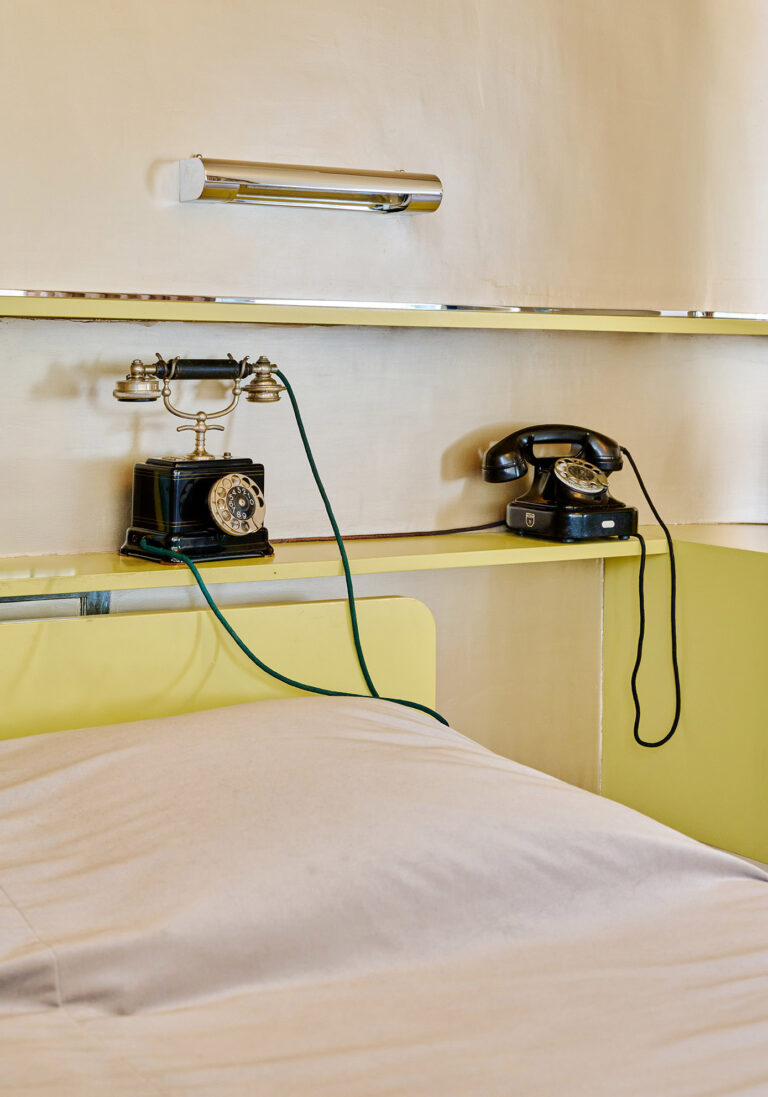
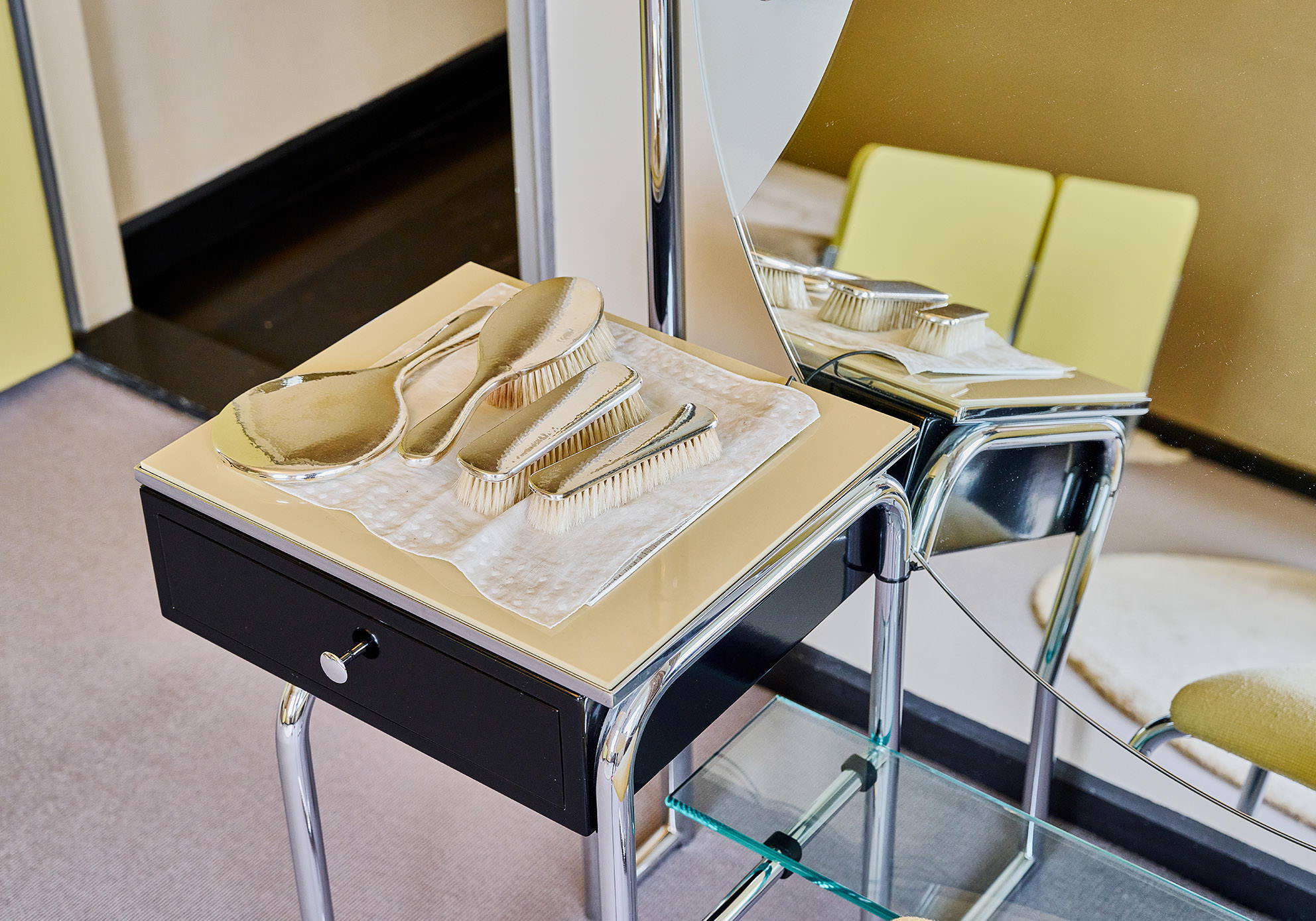
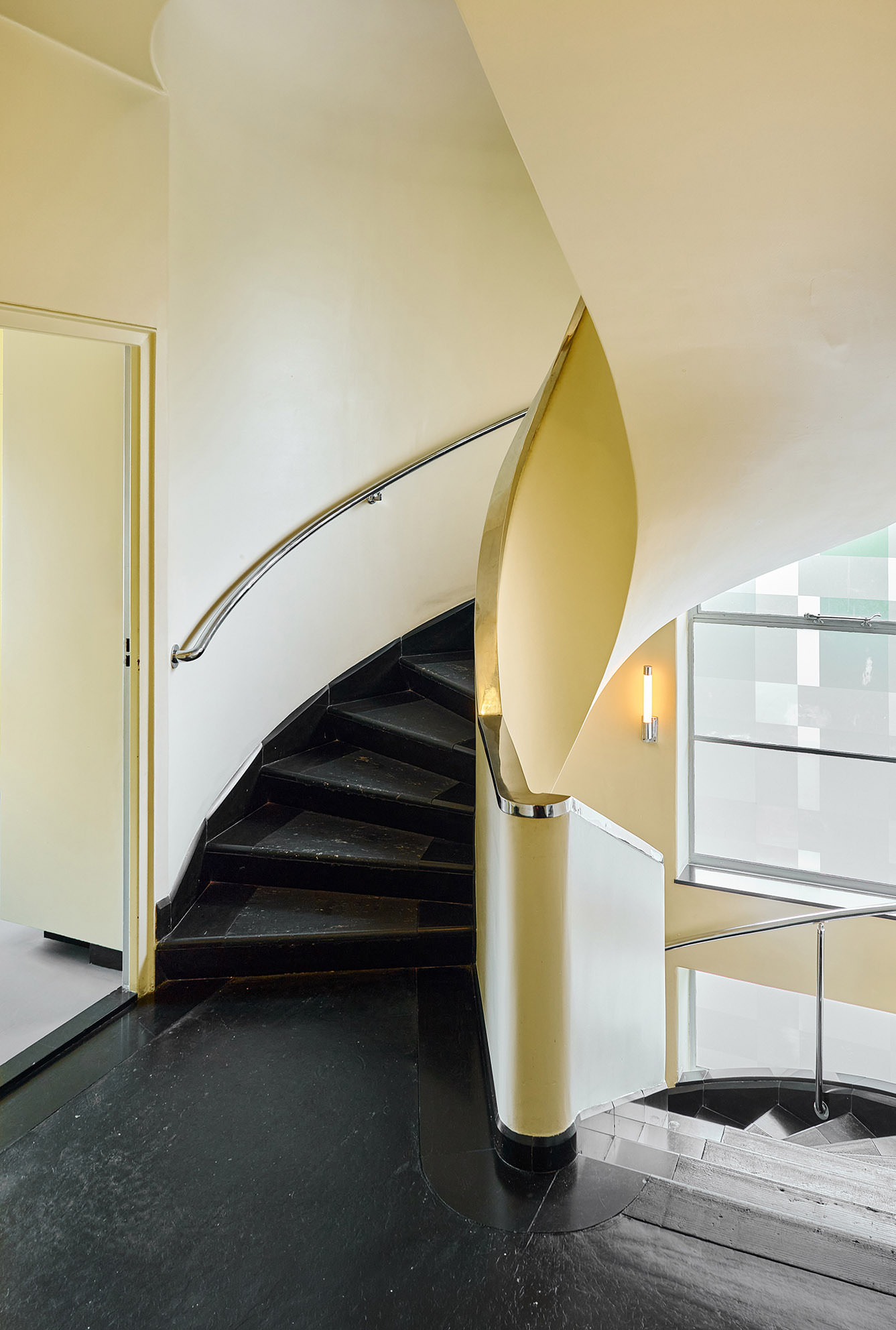
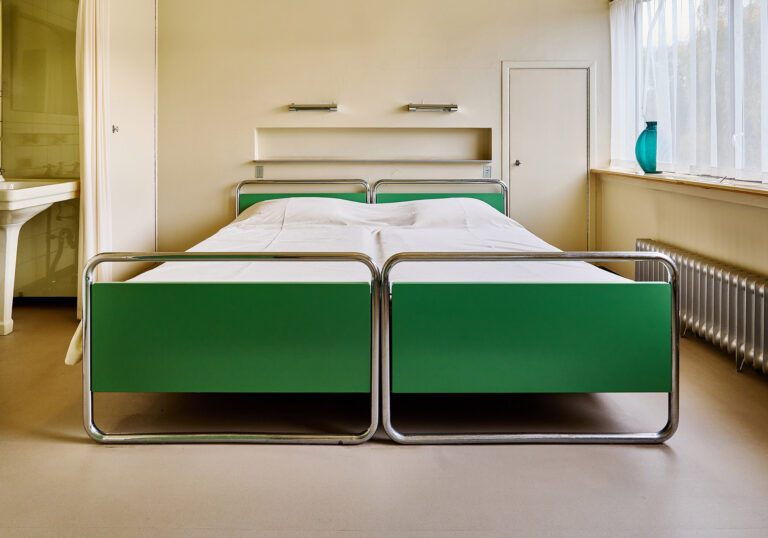
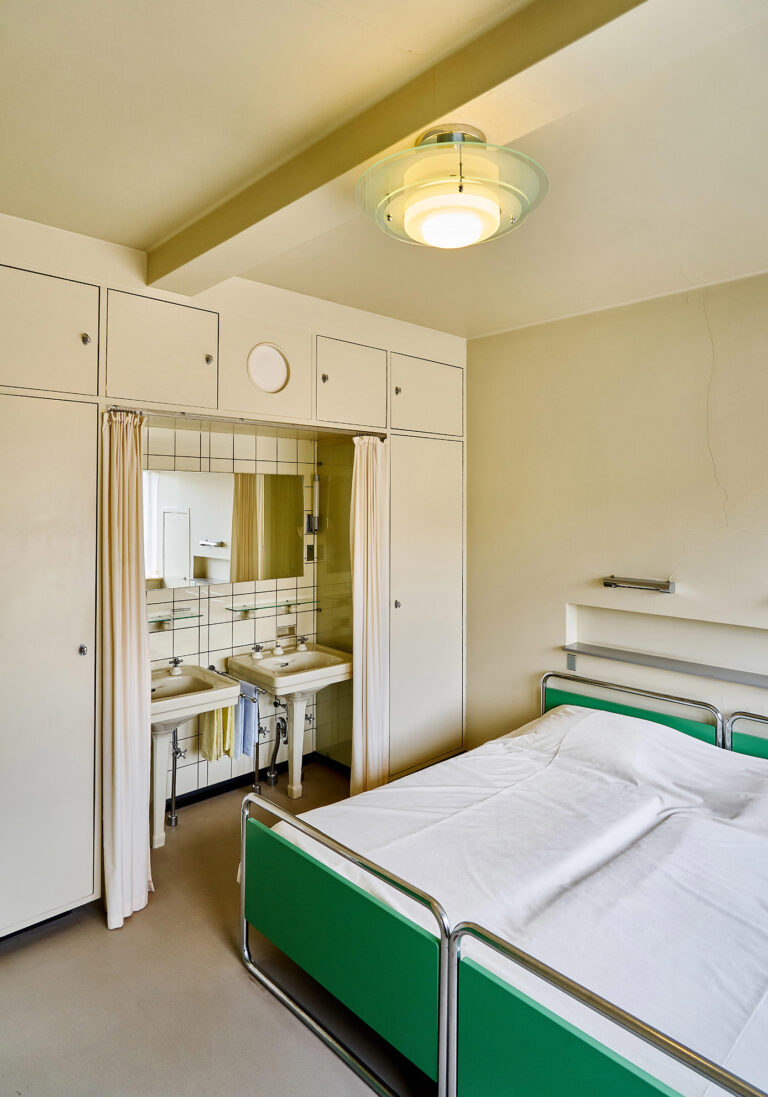
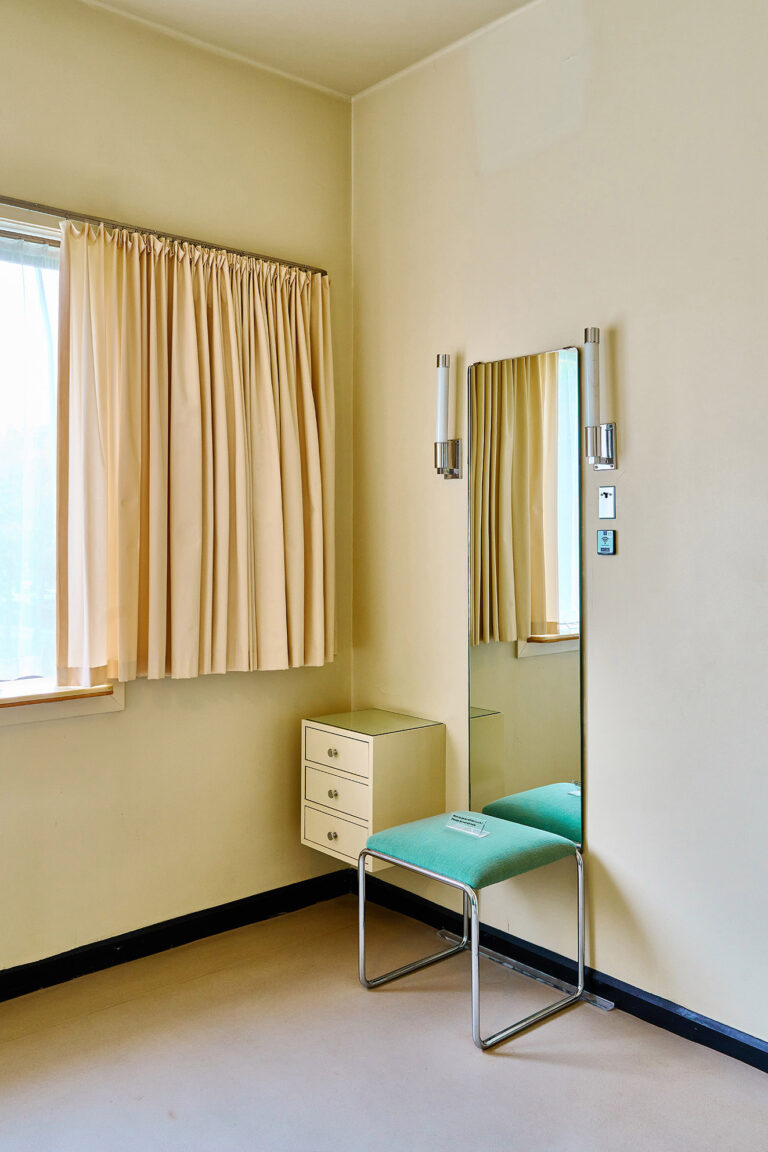
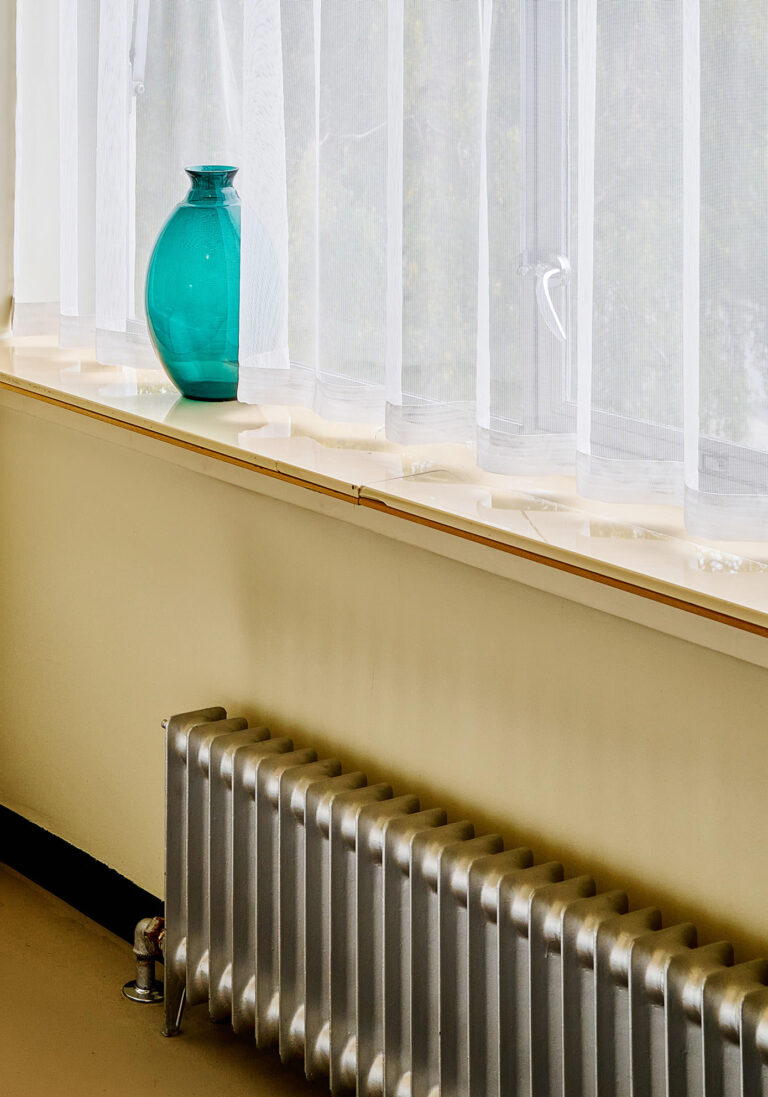
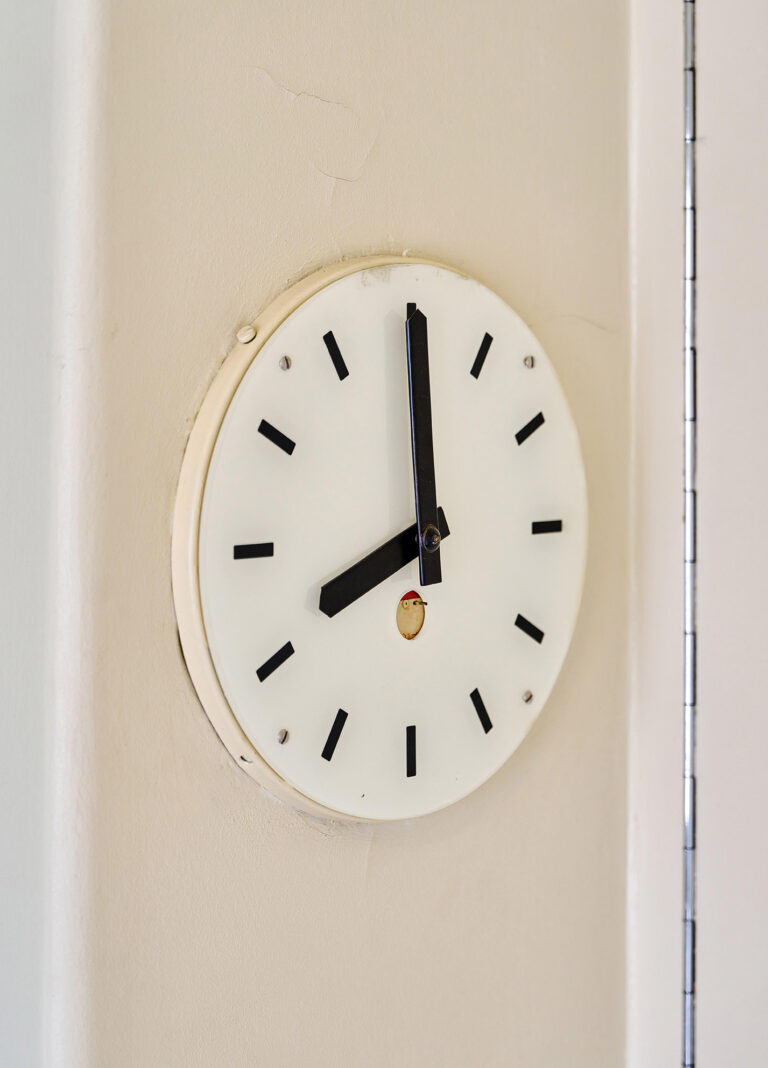
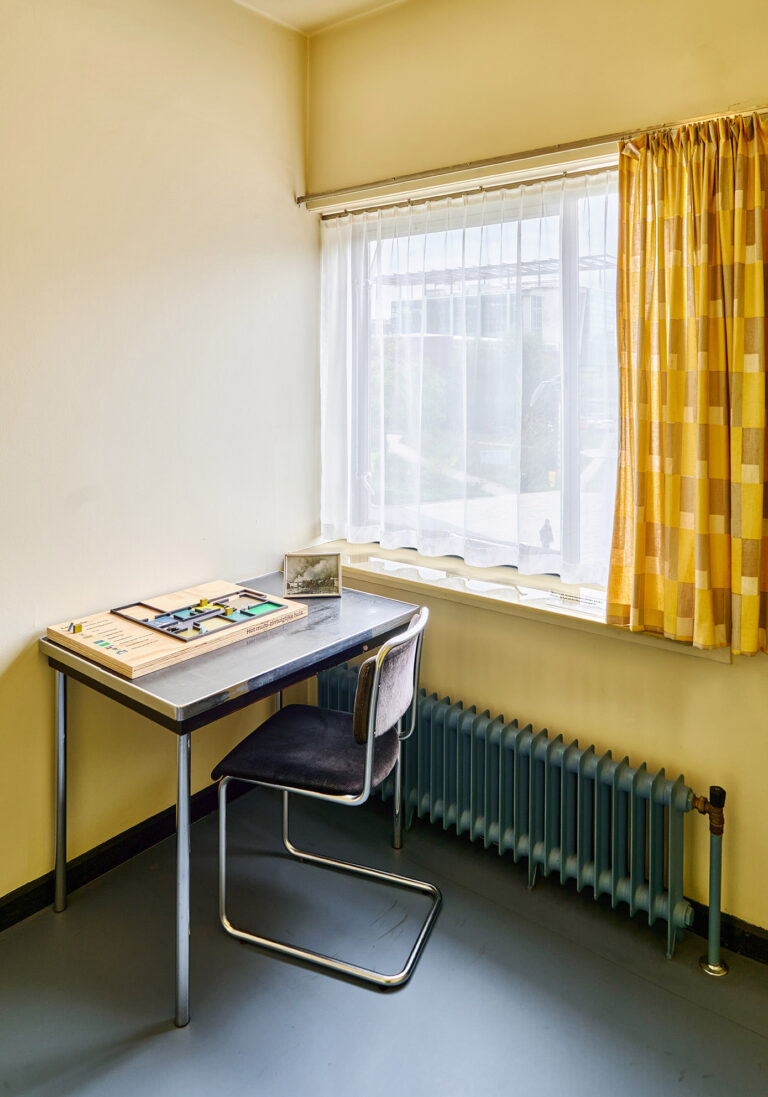
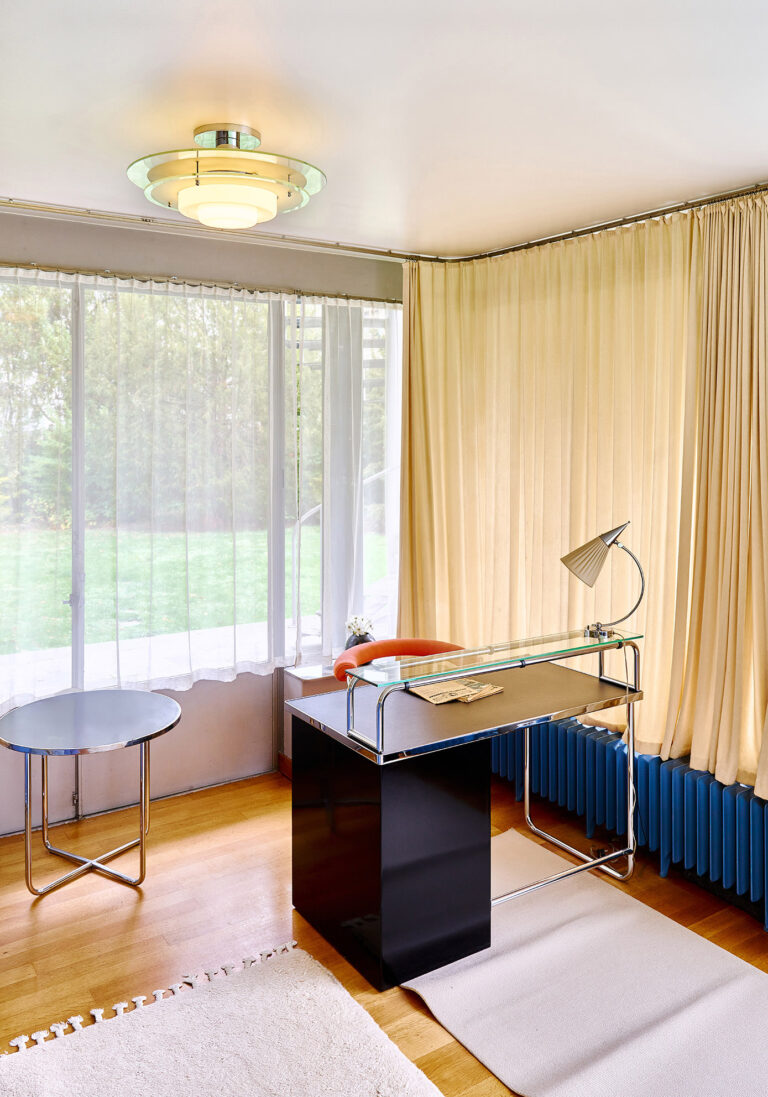
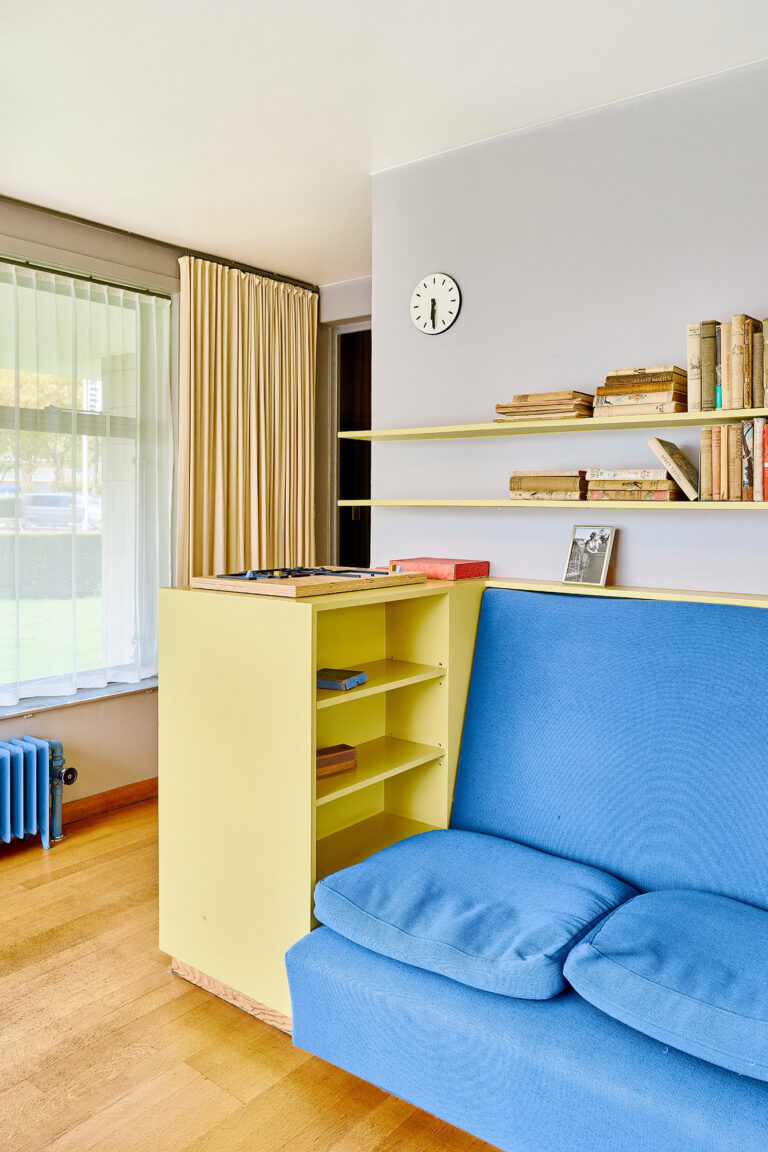
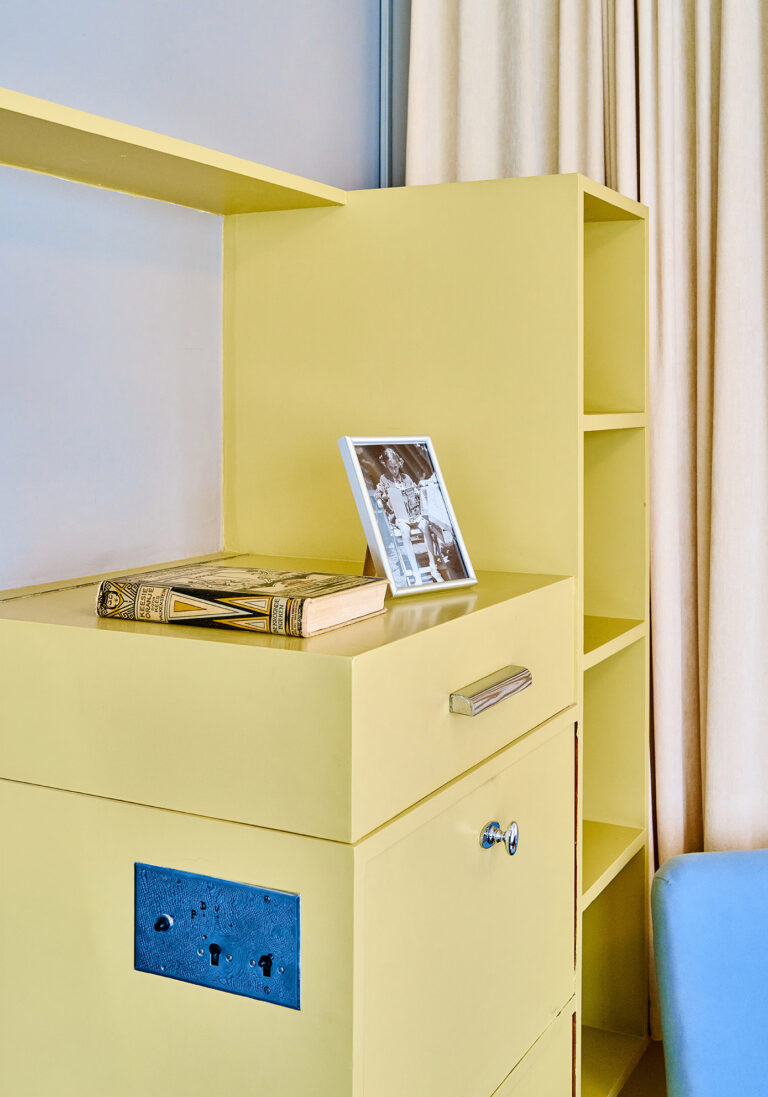
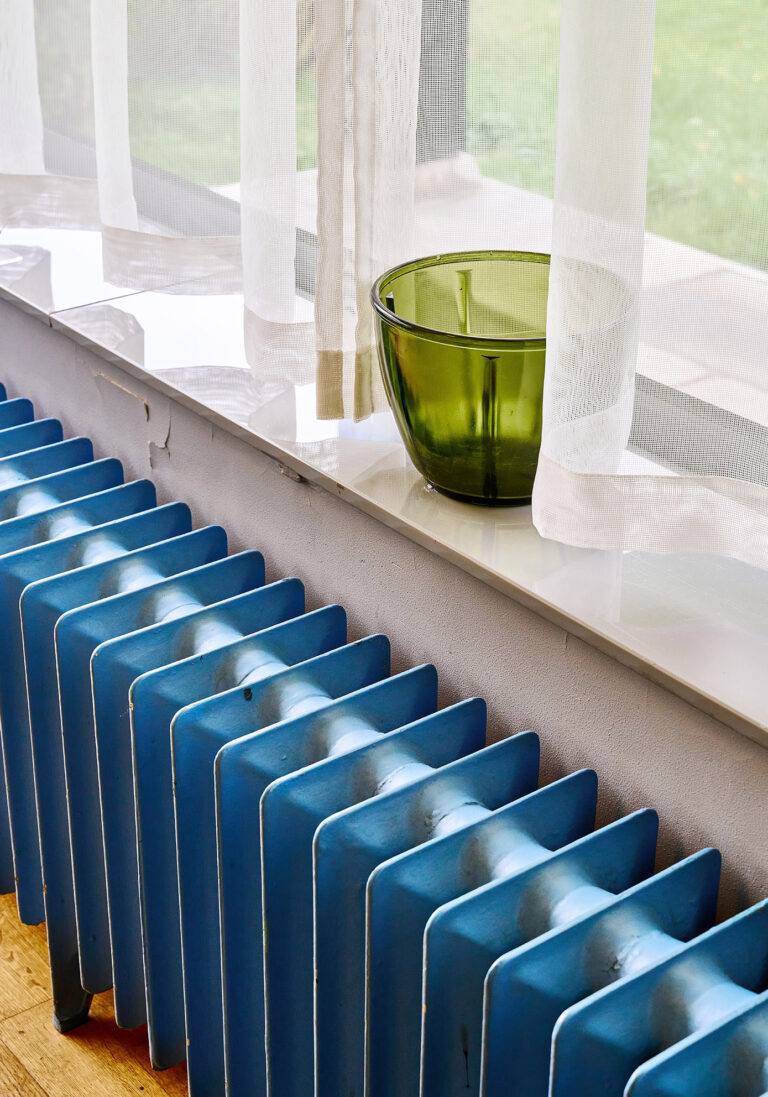
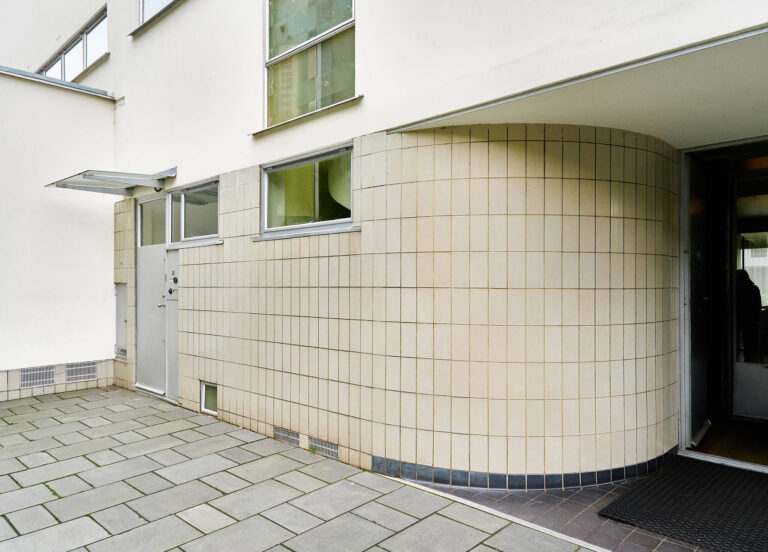
The Sonneveld House (Huis Sonneveld) in Rotterdam is one of Netherlands’ finest examples of functionalist modernism, part of the Nieuwe Bouwen movement. Designed in the early 1930s by Brinkman & Van der Vlugt for Albertus Sonneveld, a director at the Van Nelle company, the house was completed in 1933. Architecture, interior, and furnishings were conceived as a unified whole, reflecting the modernist belief that living spaces should be functional, healthy, and suited to contemporary life.
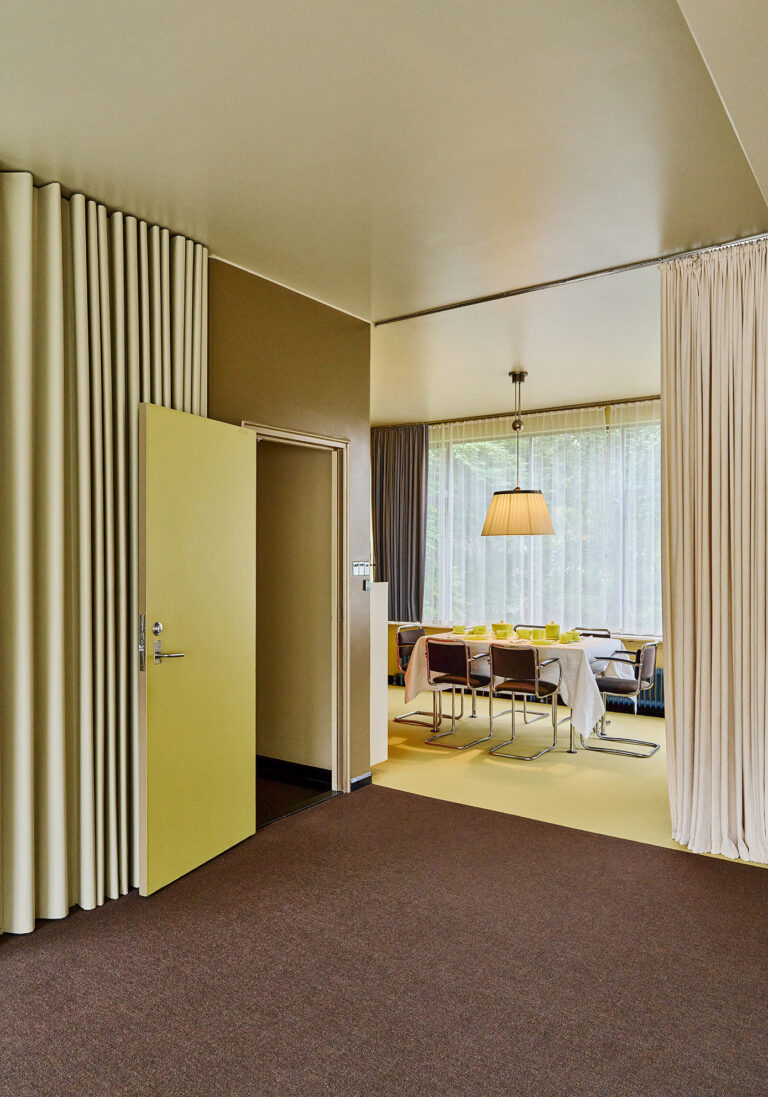
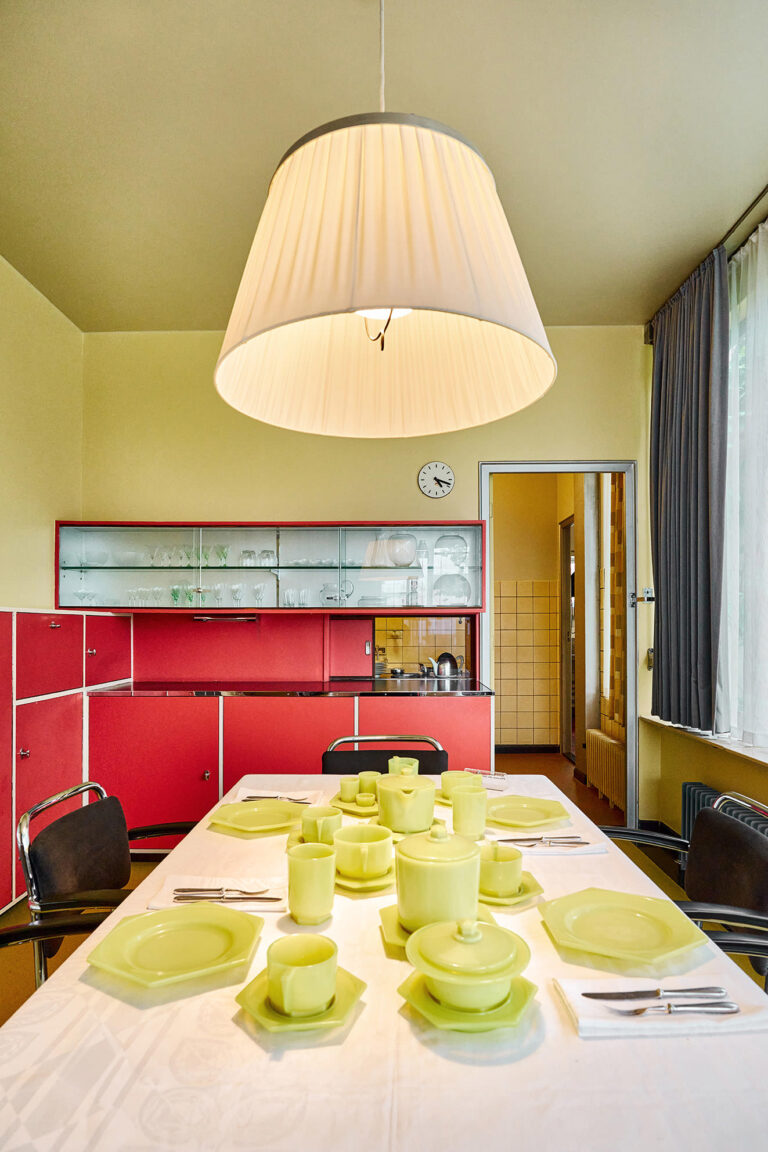
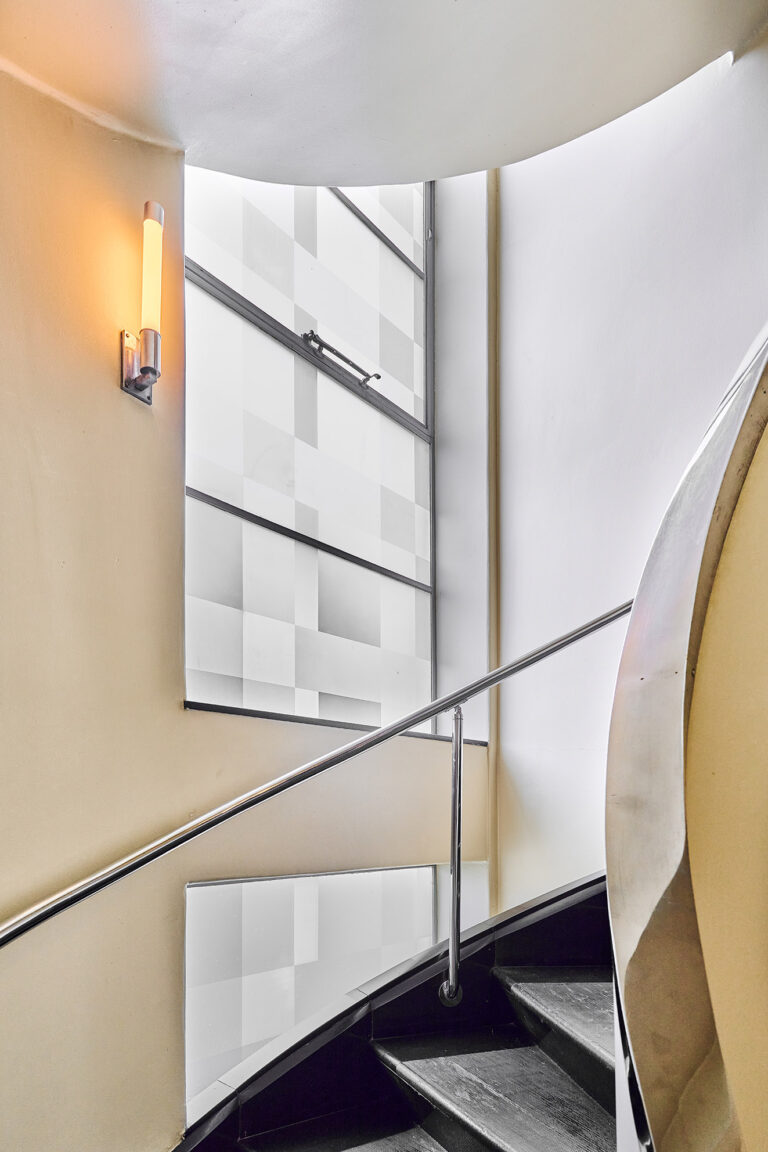
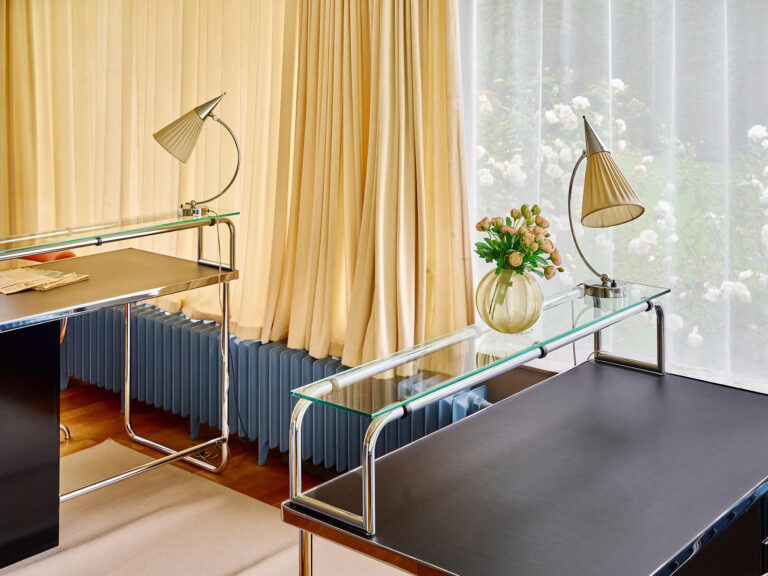
The building exemplifies Nieuwe Bouwen through clean lines, open plans, large windows, and the use of modern materials. Furniture and lighting by W.H. Gispen complement the architecture’s clarity and simplicity, reinforcing the integration of design and living.
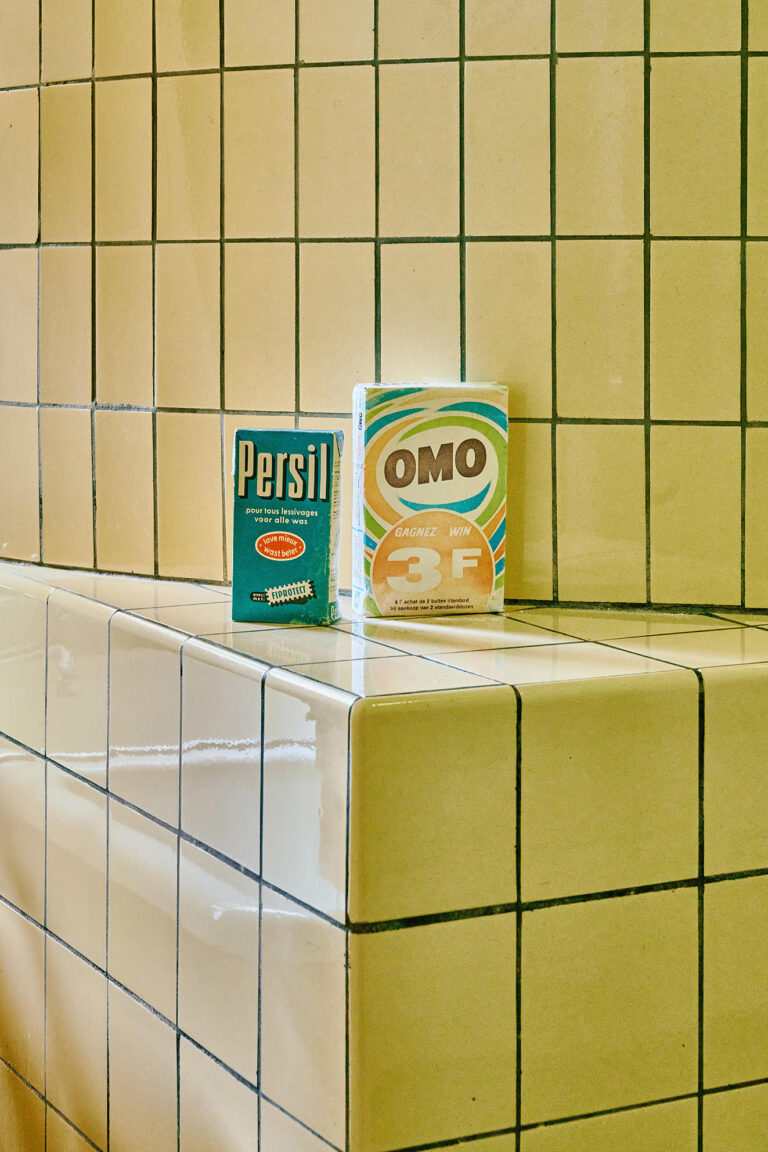
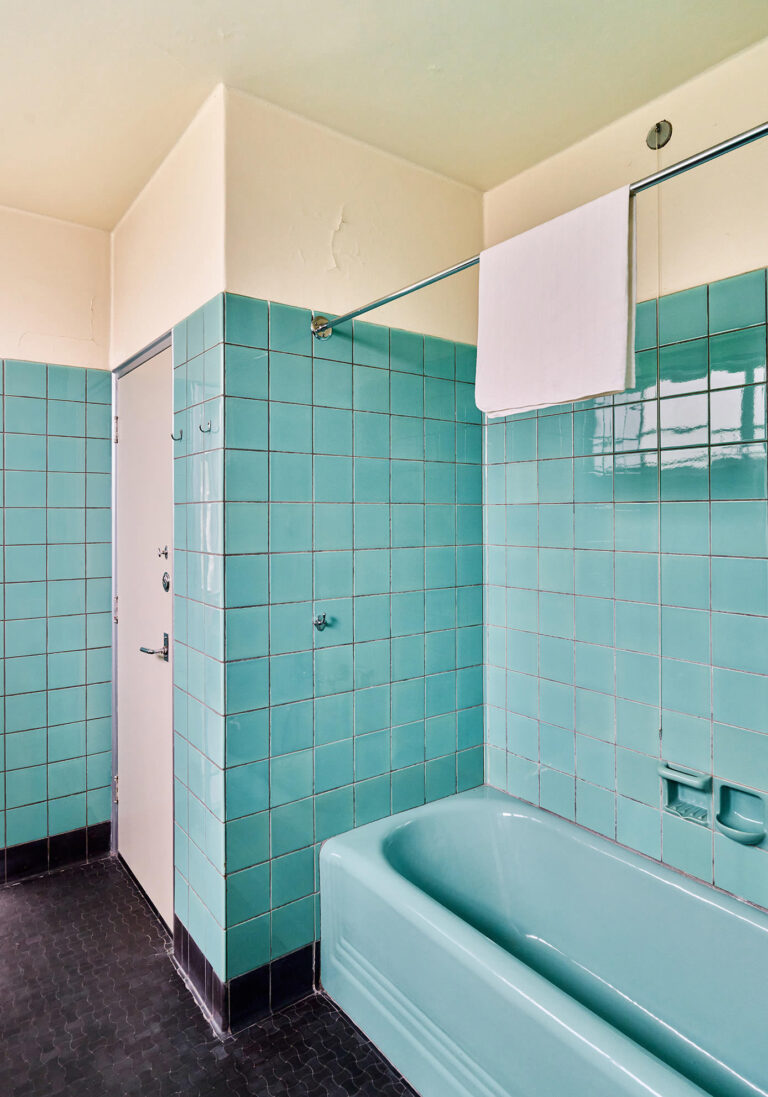
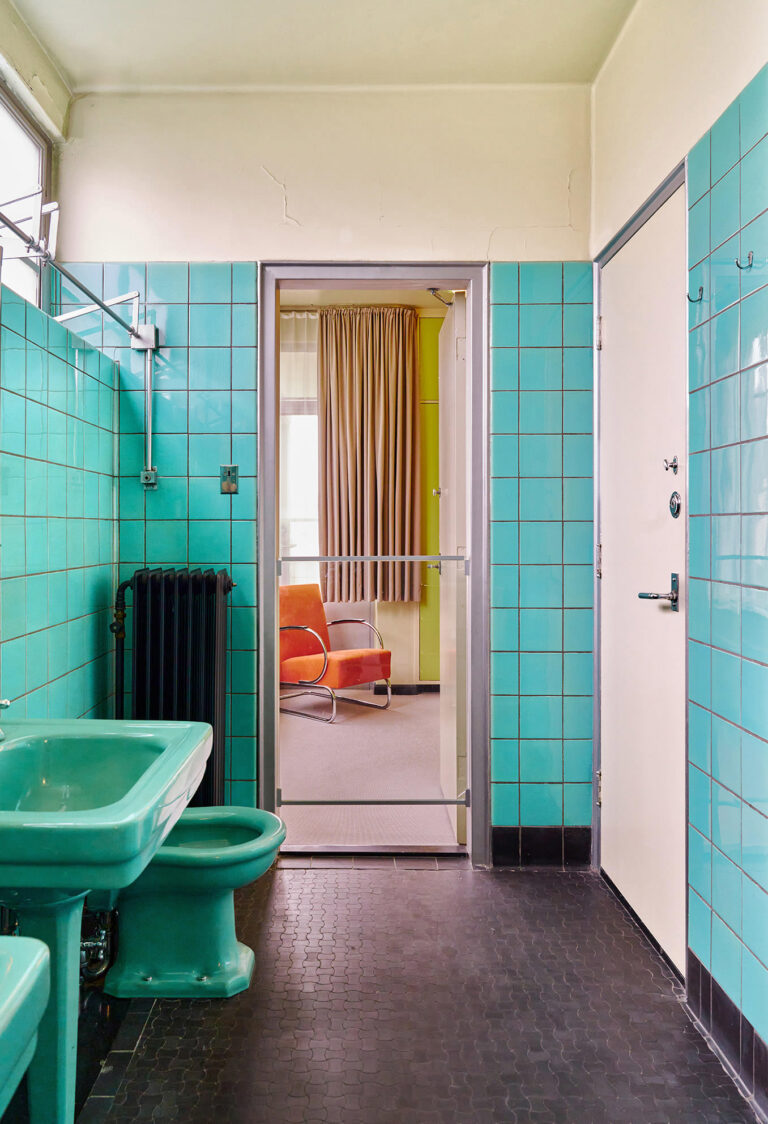
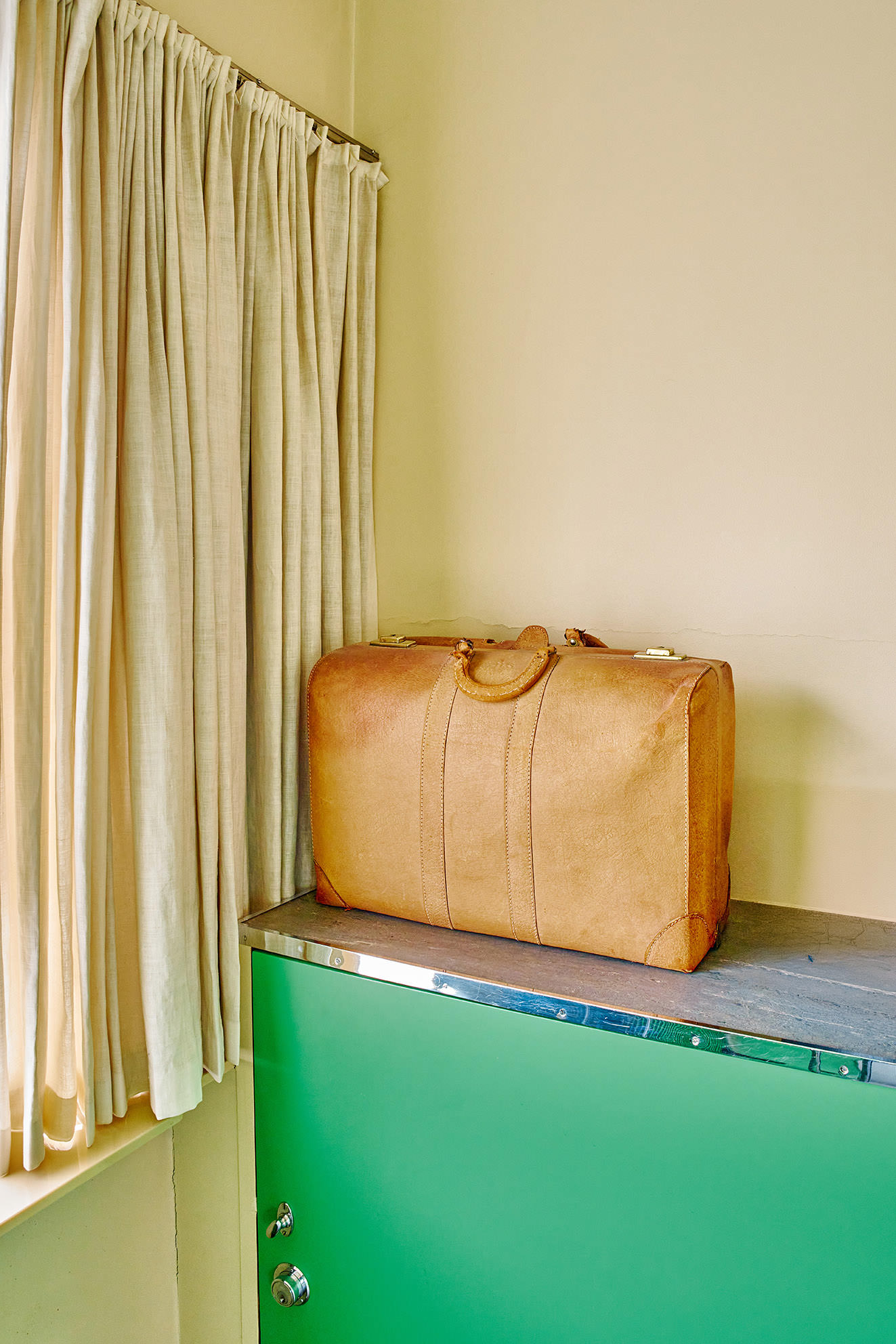
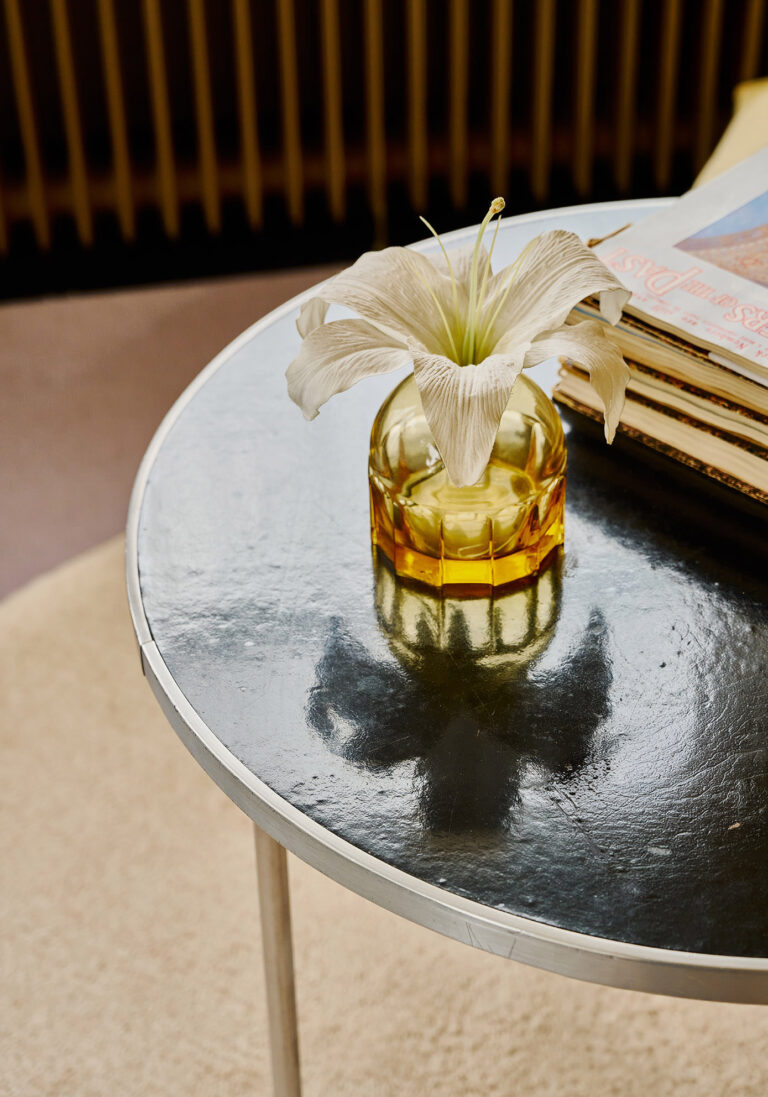
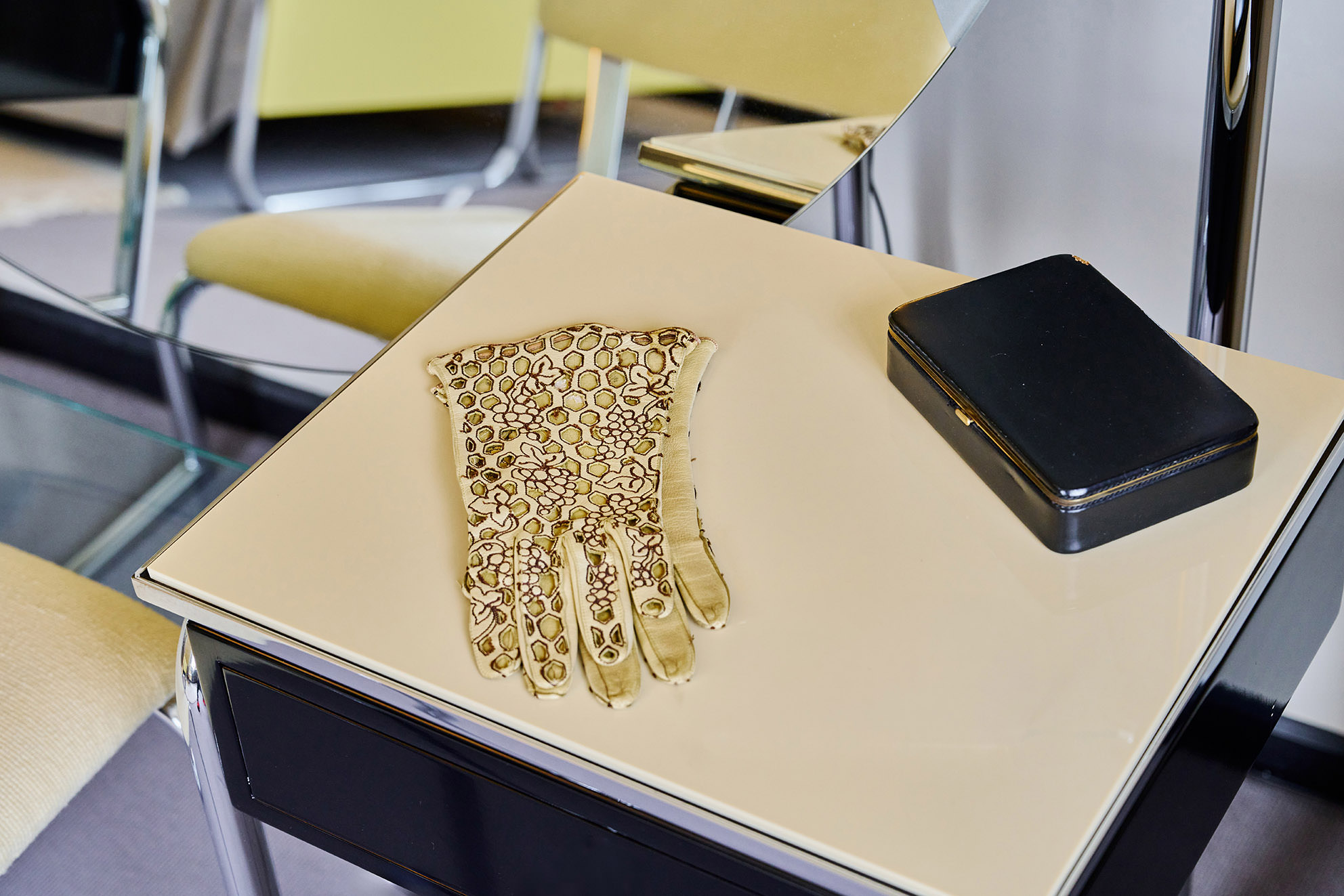
After decades of private use, the house became a national heritage site and was meticulously restored. Opened as a museum in 2001, it preserves original and period-appropriate interiors, giving visitors a vivid sense of the Sonneveld family’s modernist lifestyle and the social ambitions of early 20th-century functionalist design.
Today, Sonneveld House stands as both an architectural landmark and an educational museum, showcasing Dutch modernism in its original context.