All rights reserved
© 2026 Jochen Simon
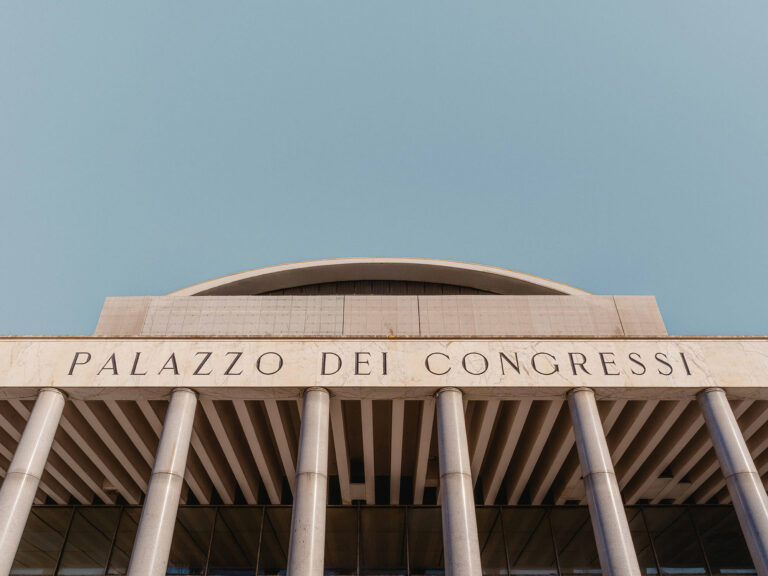
PALAZZO DEI CONGRESSI
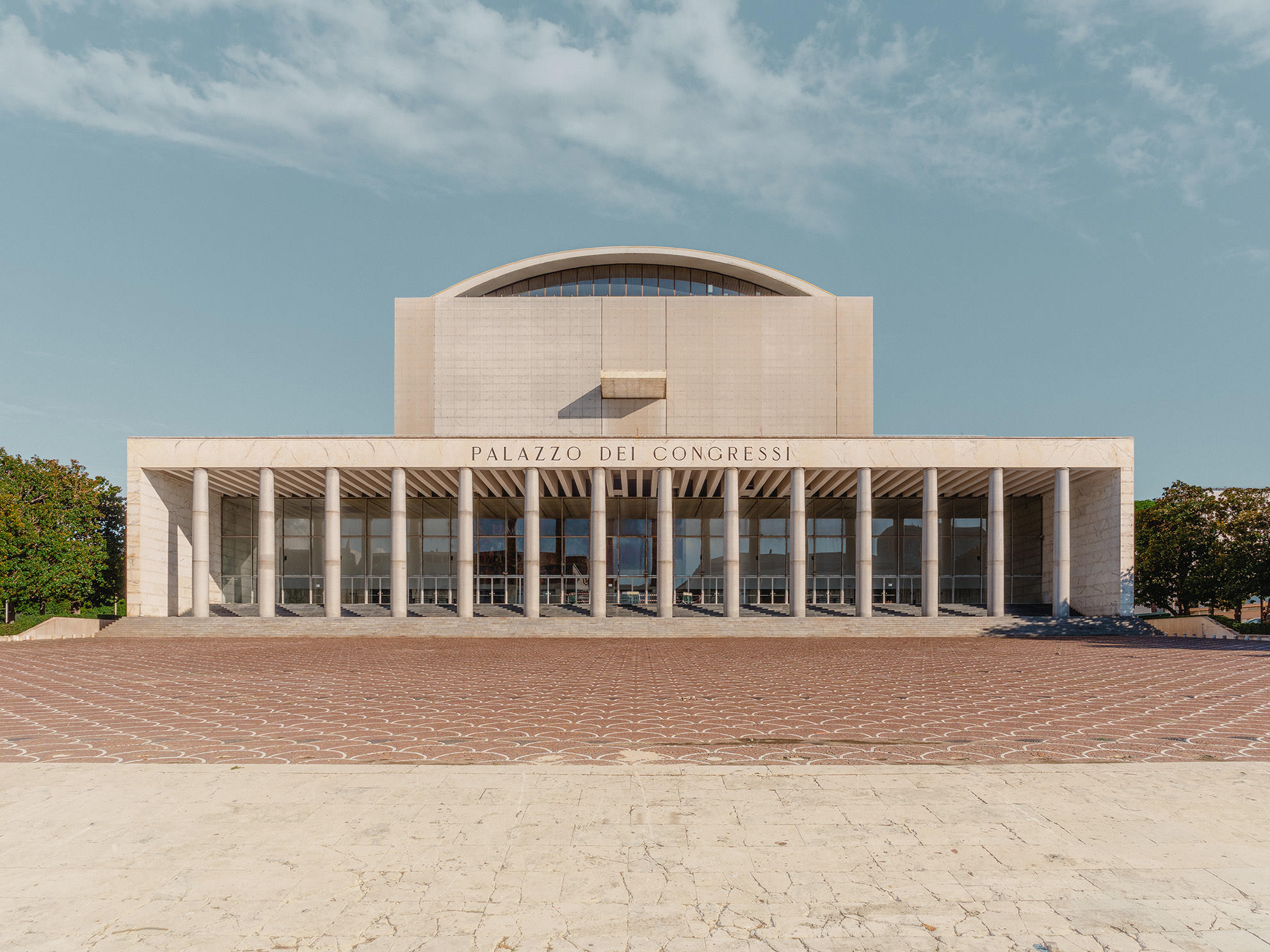
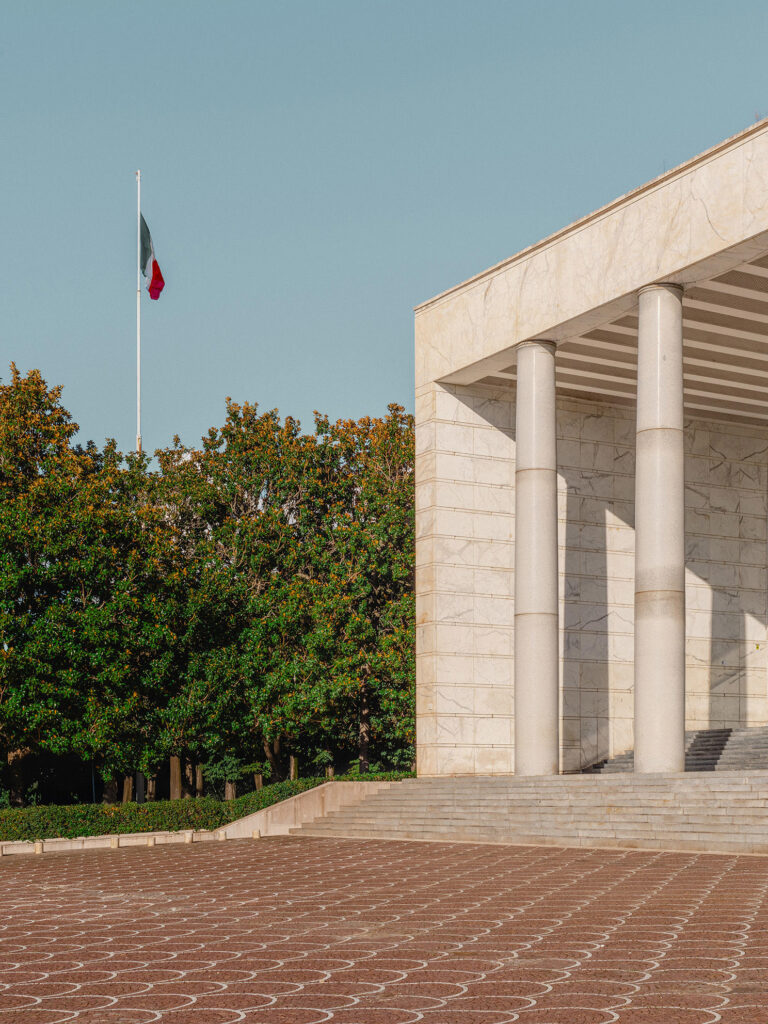
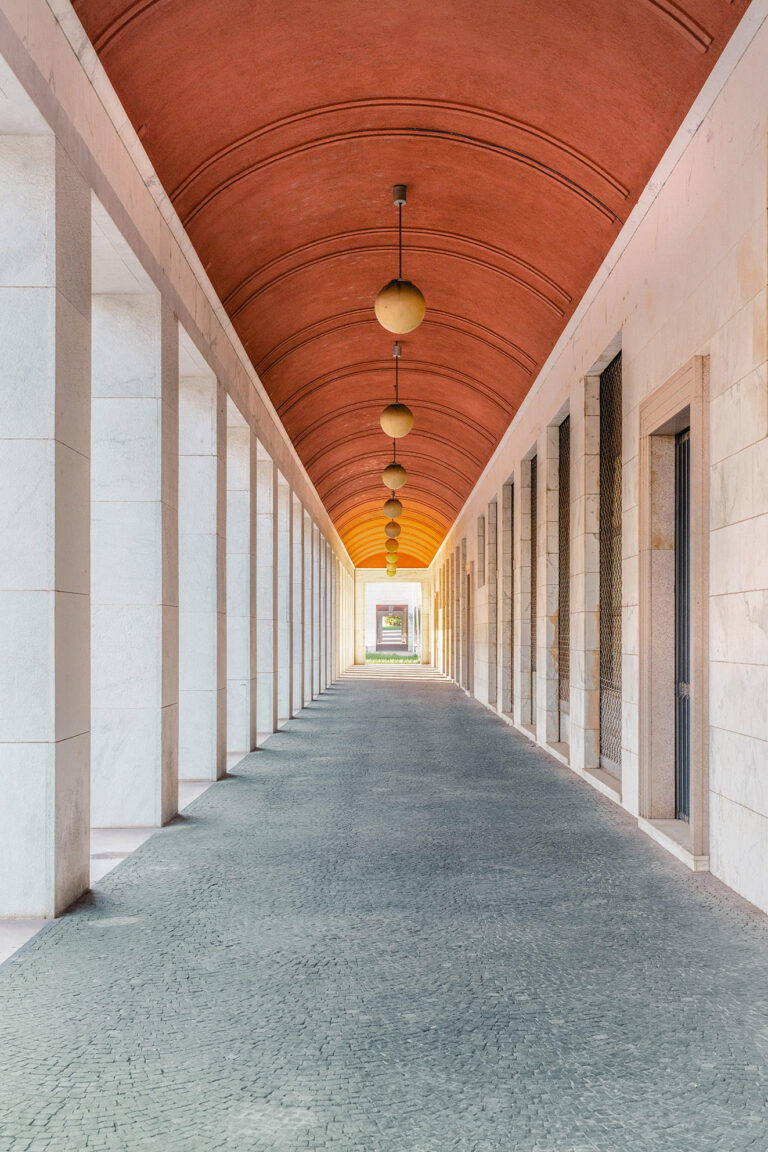
The Palazzo dei Congressi in Rome, located in the EUR district, is one of the most prominent examples of Fascist-era architecture in Italy. It was designed by Adalberto Libera, a leading figure of Italian Rationalism, and completed in 1954, although its planning and construction span the late 1930s through the postwar period. Libera’s work here reflects the modernist and minimalist tendencies of the time, characterized by clean lines, geometric clarity, and restrained decoration.
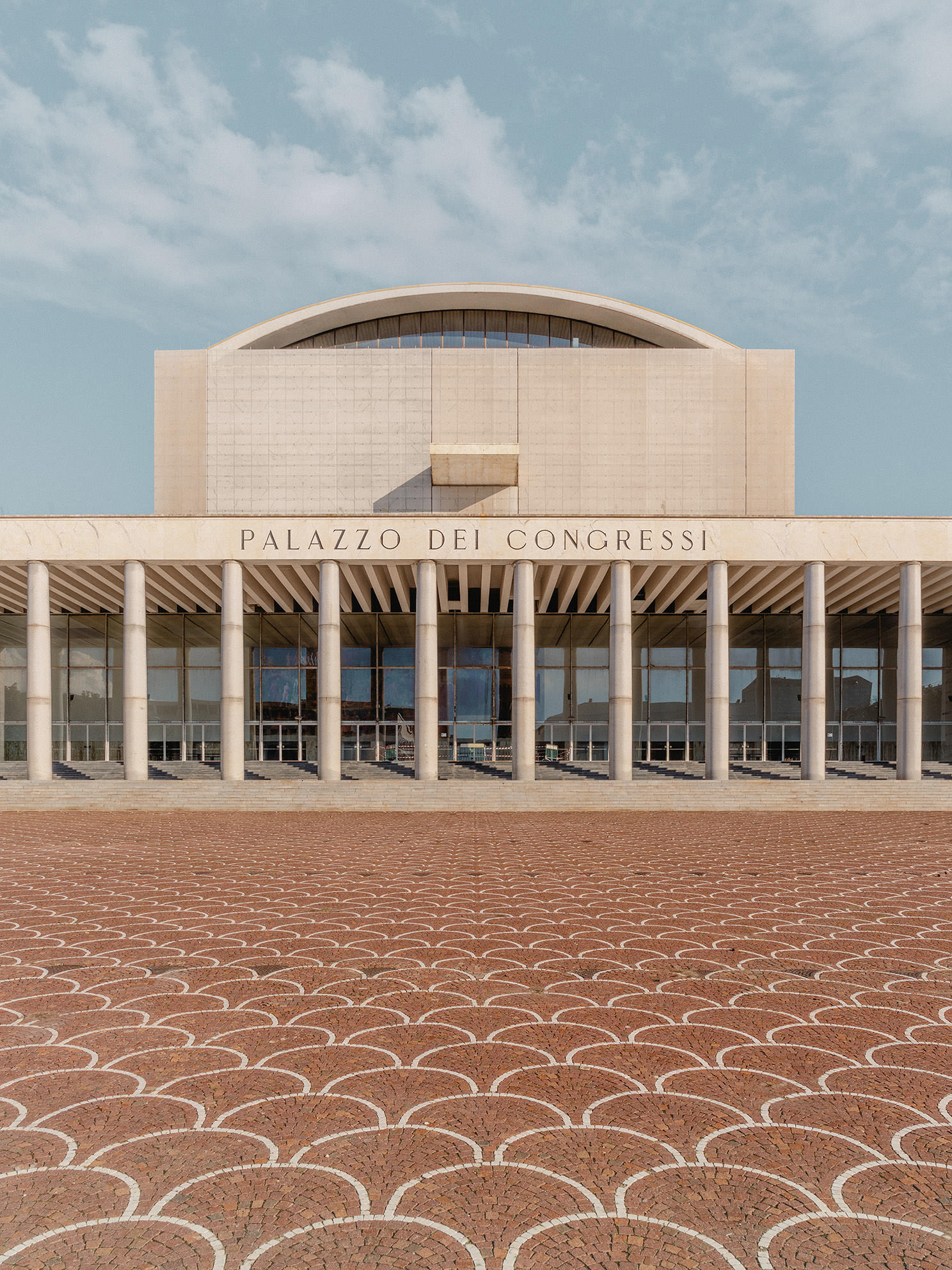
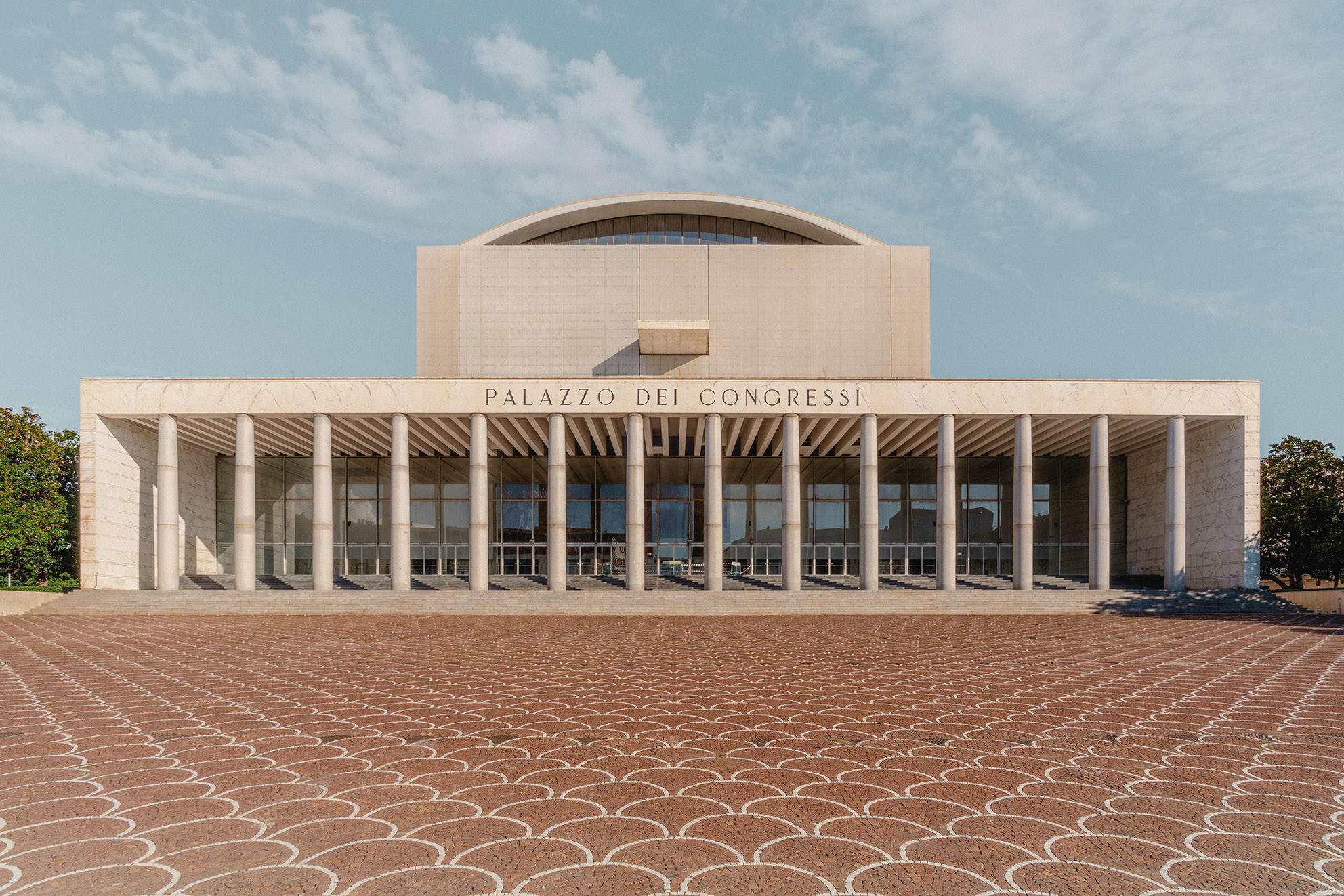
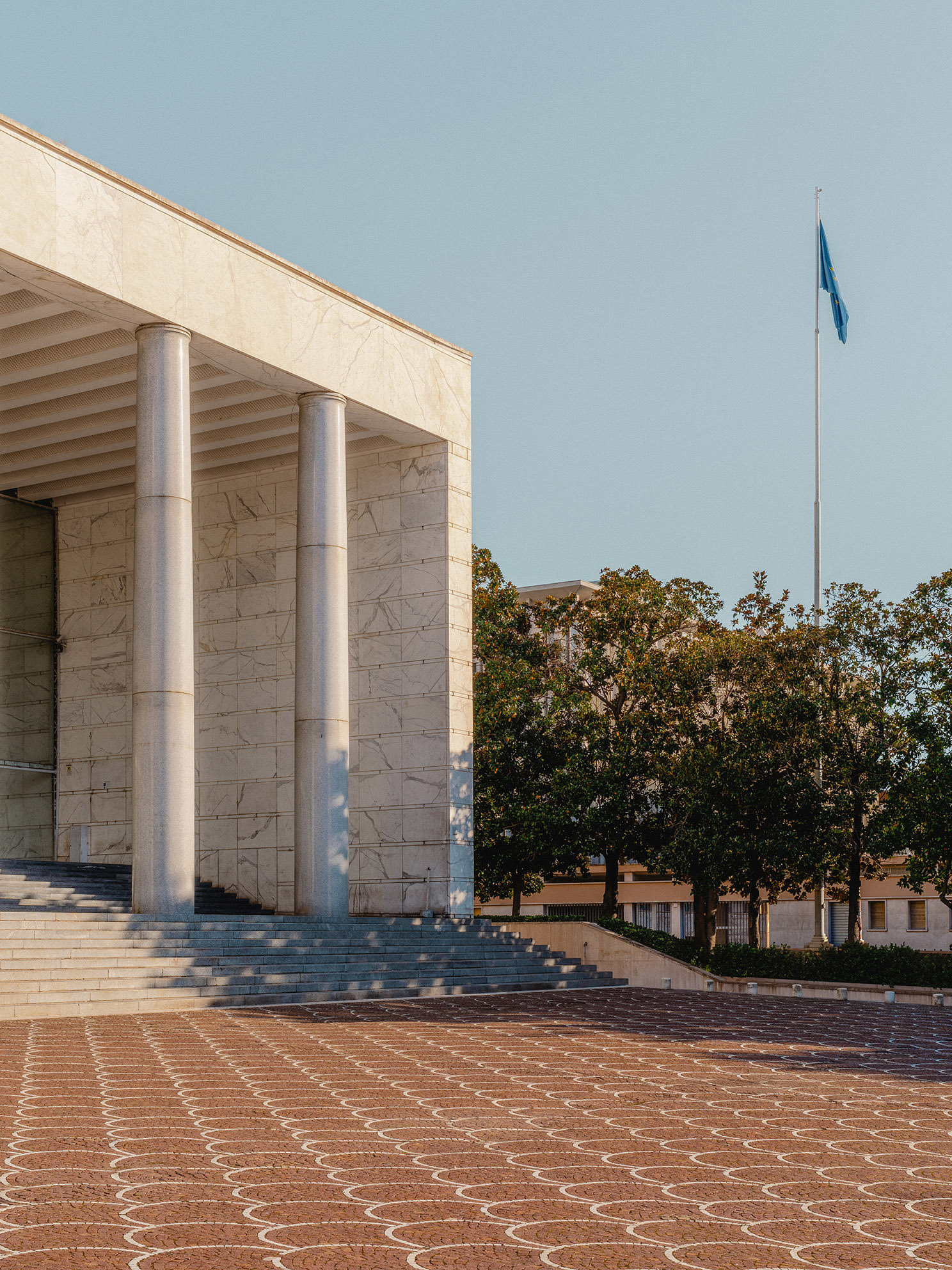
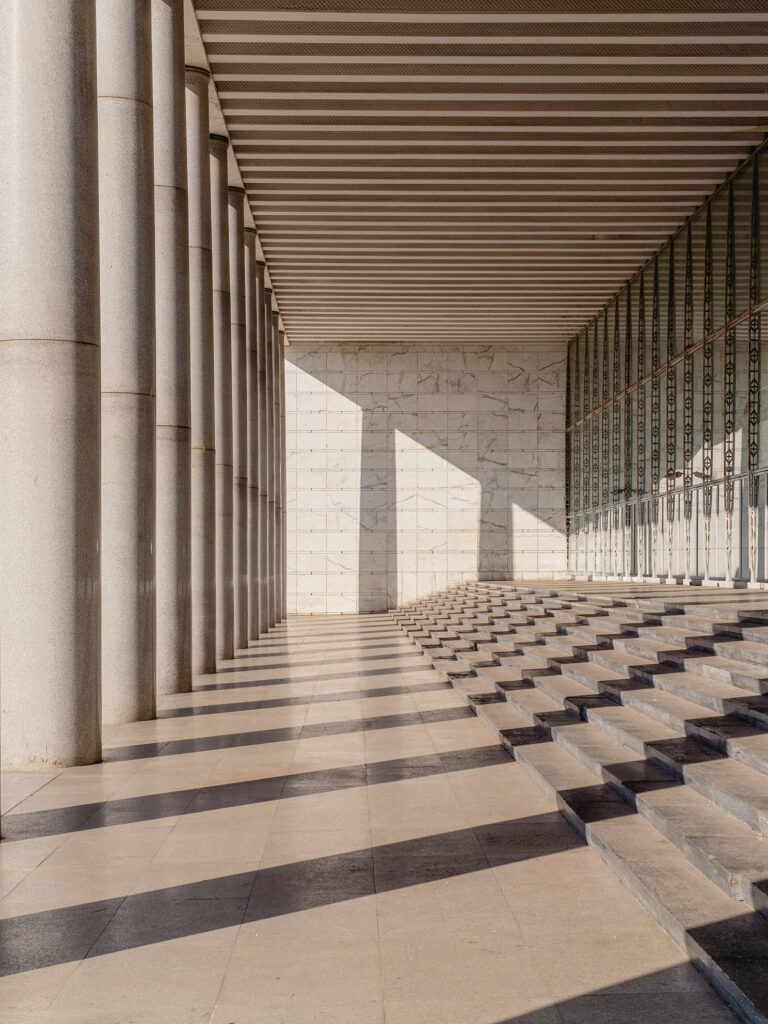
The building’s design emphasizes monumentality and order. Its expansive, symmetrical façades, repetitive structural elements, and open axial spaces convey a sense of authority and permanence. In this way, the Palazzo dei Congressi was not only a functional space for conferences and gatherings but also a symbolic instrument, projecting the ideals of the regime – strength, rationality and control – through architectural means.
From an art-historical perspective, the Palazzo dei Congressi sits at the intersection of Italian Rationalism and postwar modernism. While it shares the clean forms and minimal ornamentation typical of 1930s Rationalist architecture, its scale and spatial composition reflect the continued use of architecture as a medium for expressing institutional and political power. Today, the building stands as a key example of mid-20th-century Italian architecture, both for its aesthetic rigor and for its historical context within the EUR district.